Reviewed by Sahil Chopra, MD.
Research by Savit Malhotra and Quynh Theresa Do.
Introduction
It’s now the middle of August, and for many of us, that means the height of summer. For millions of people, this also means more than just warmer weather and blooming plants. The season also brings sneezing, itchy eyes, runny noses, and congestion. Seasonal allergies occur when the immune system reacts to airborne allergens, such as pollen, which then triggers inflammation and the previously mentioned symptoms.[1] While these symptoms may seem like a daytime inconcenience, allergies can follow us into the night as well. Research has linked allergic rhinitis (common allergies) with poorer sleep quality, longer time to fall asleep, reduced sleep efficiency, restless sleep, snoring, and increased daytime sleepiness.[2,3] While allergies may be an overlooked aspect of sleep, understanding tools such as pollen counts and allergy indexes may help explain why some nights are more difficult than others for people with seasonal allergies. In this article, we will break down these two tools and explain what the relationship between allergies and sleep really is.
What is an Allergy Index?
It is important to first note that an allergy index is not the same as pollen count. A pollen count is a measurement of how many pollen grains are present in a cubic meter of air at a certain time.[4] This is often measured by organizations such as the American Academy of Allergy, Asthma & Immunology, who collect actual pollen samples through monitoring stations to estimate how much pollen is currently in the environment.[5] Similarly, some organizations also create a pollen forecast, which predicts future exposure using information such as a previous pollen measurements, seasonal patterns, and weather conditions.[6]
On the other hand, an allergy index takes the information from the pollen count and translates it into a scale that describes the expected allergen exposure. There is no single universal allergy-index scale, so the exact numbers and categories can vary dpeneding on the service providing the forecast. For example, Pollen.com uses a 0-12 scale ranging from low to high and calculates forecasts using historical pollen trends, seasonal plant activity, and meteorological conditions.[7] Another important note of an allergy index is that these typically reflect encironemntal exposure risk, not how severe one particular person’s symptoms will be. Someone who is highly sensitive to grass pollen may react strongly on a high-grass-pollen day, whereas a person allergic primarily to tree pollen may have few symptoms under the same conditions.[5,7]

How do Pollen Count and Allergy Index Impact Sleep?
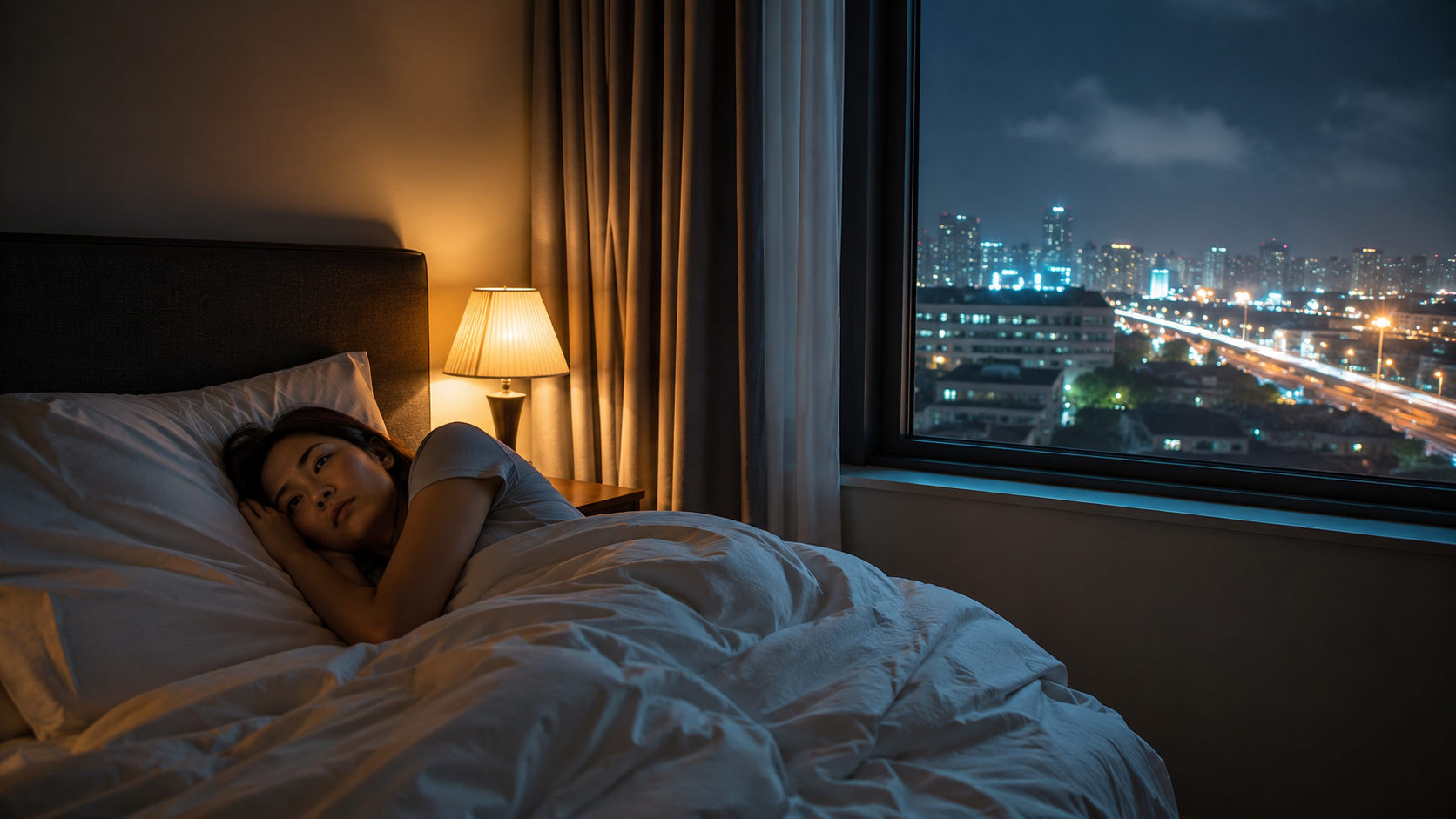
High pollen counts do not necessarily make you sleep poorly by themselves. Instead, greater pollen exposure can trigger or worsen allergic rhinitis in susceptible individuals. Nasal congestion is particularly important at night because ifnlammation and obstruction of the nasal passages can make breathing through the nose more difficult. Allergic rhinitis has been associated with longer sleep latency, lower sleep efficiency, restless sleep, insomnia, snoring, and sleep disordered breathing.[2,3] A large systematic review and meta-analysis found that people with allergic rhinitis experienced significantly more sleep disturbances than people without it, although, it was noted in the study that the overall quality of the evidence was low to very low and that many of the available studies were observational.[2] Because of this, further research is needed to fully understand the effects of allergic rhinitis on sleep.
There is also evidence that changes in pollen exposure can coincide with changes in sleep. In a study of people with seasonal allergic rhinitis, sleep quality was worse during pollen season than outside of pollen season, with greater allergy severity associated with greater sleep impairment.[8] Another study examining children with allergic rhinitis found that higher grass-pollen counts on the day of an overnight sleep study were associated with worse measures of sleep-disordered breathing, including a higher obstructive apnea-hypopnea index. This relationship was not observed in children without allergic rhinitis.[9] These findings suggest that pollen counts and allergy indexes may be useful clues about when allergy-related sleep problems are more likely to occur, particularly for people who are sensitive to the allergens currently in the air.
What Can You Do About Seasonal Allergies and Your Sleep?
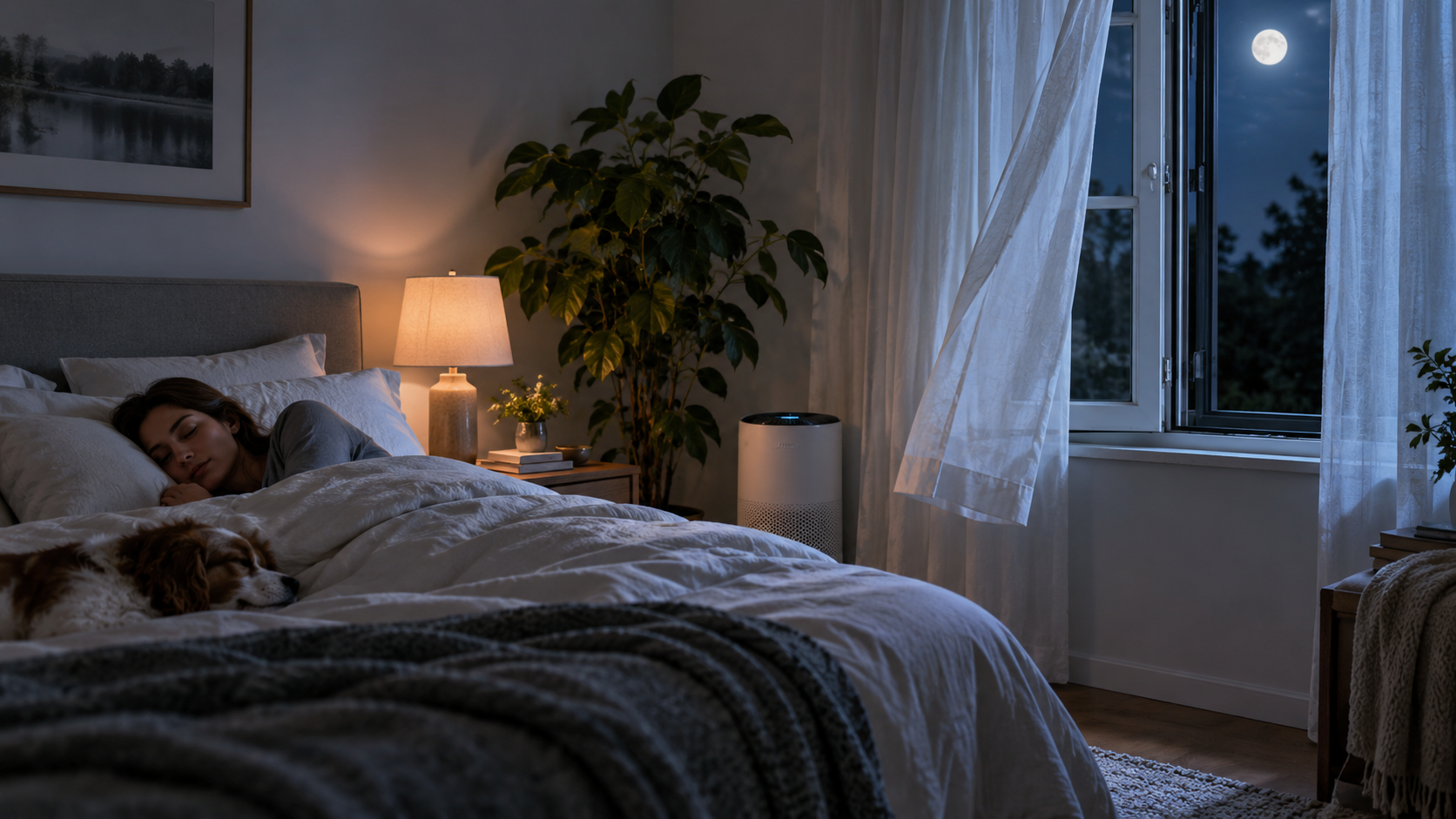
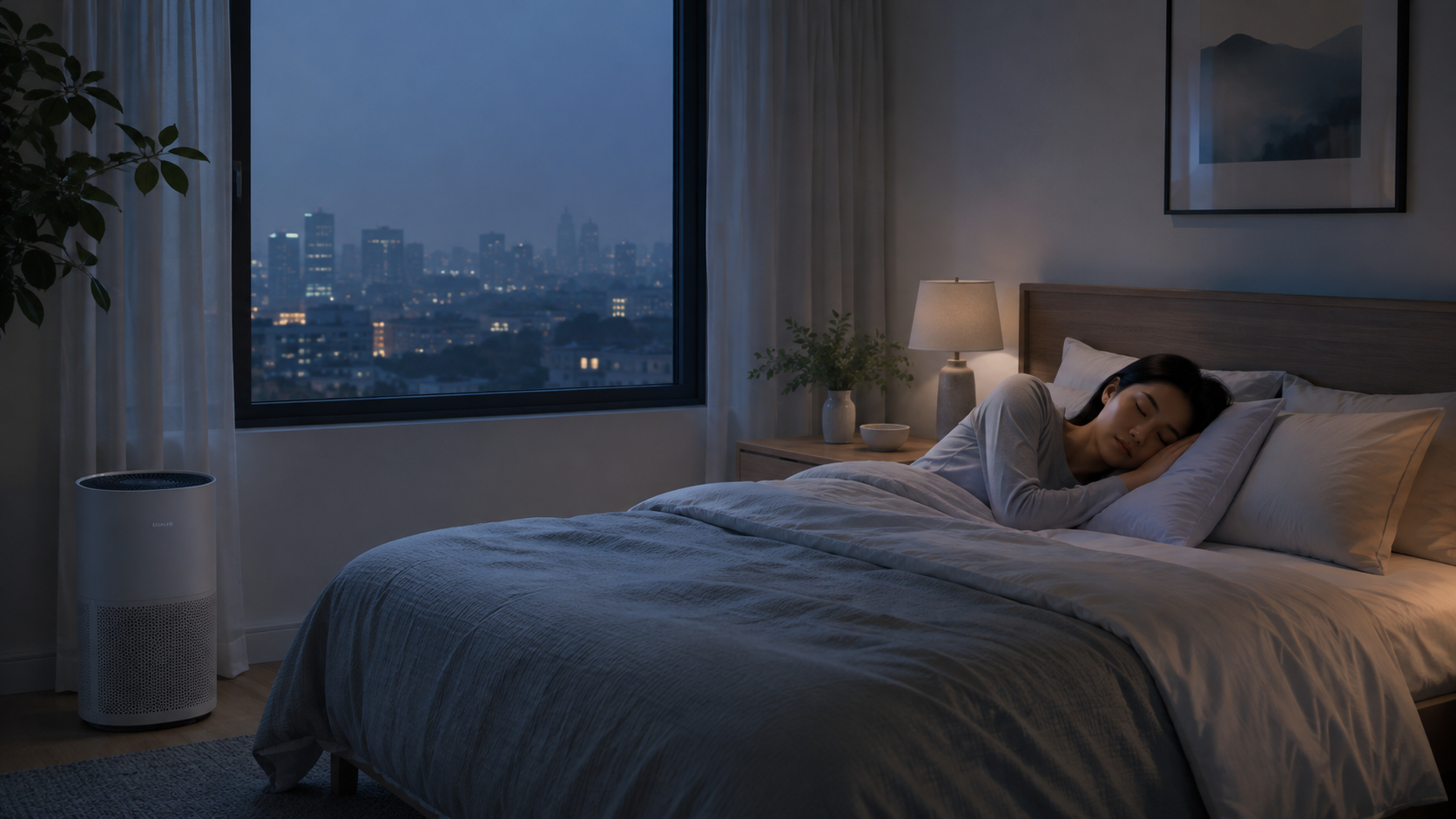
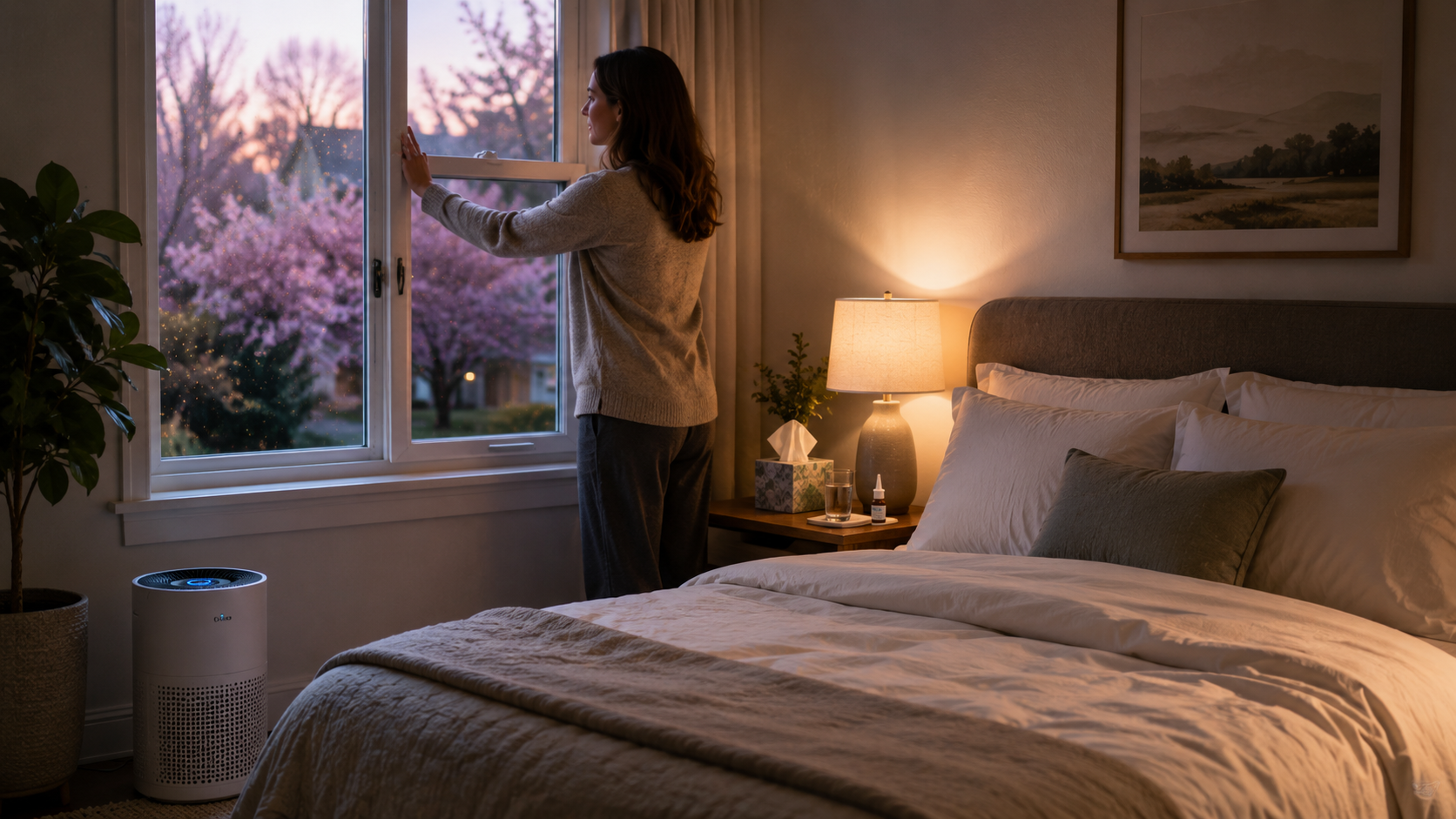
One of the simplest ways to protect sleep during allergy season is to reduce how much pollen makes its way into the bedroom. Checking daily pollen counts can help people who know their triggers limit outdoor exposure when levels are particularly high. Keeping windows closed during high-pollen periods and using air conditioning can also reduce the amount of outdoor pollen entering the home.[10] After spending time outside, showering, washing your hair, and changing clothes (particularly before getting into bed) can help prevent pollen collected on the skin, hair, and clothing from being trasnferred to bedding.[10] HEPA air purifiers may also help reduce airborne particles such as pollen inside the home, although they cannot remove allergens that have already settled onto surfaces.[11]
For people whos symptoms continue despite reducing exposure, treating the underlying allergic rhinitis may make nighttime congestion less disruptive. Saline nasal rinses can help remove allergens and mucus from the nasal passages, while medications such as instransal corticosteroids and second-generation antihistamines are commonly used to control allergic rhinitis symptoms.[12,13] Current clinical guidelines identify intranasal corticosteroids as a preferred treatment for persistent allergic rhinitis.[13] Because some older, first-generation antihistamines can cause significant sedation and next-day impairment, medication choice should be discussed with a healthcare professional rather than using a sedating allergy medication simply as a sleep aid.[13] For people with persistent or difficult-to-control symptoms despite approporate treatment and allergen avoidance, an allergist may also consider allergen immunotherapy.[14] Ultimately, controlling allergy symptoms, espeically nasal congestion, may help remove one of the barriers standing between allergy sufferers and a more comfortable night’s sleep.
Conclusion
Your local allergy forecast may tell you more about your upcoming night than you might expect. Pollen counts provide a snapshot of allergen levels in the air, while allergy indexes and forecasts help estimate how exposure may change over the coming days.[5,6] For people with seasonal allergic rhinitis, periods of greater allergen exposure can mean more congestion and other nasal symptoms, and potentially more disrupted sleep.[2,8,9] Paying attention to both your allergy symptoms and local pollen conditions may help identify patterns between the encironment and your sleep. If congestion, snoring, frequent awakenings, or daytime sleepiness regularly worsen during allergy season, addressing the underlying allergies with a healthcare professional may be an important part in improving your sleep.[3]


.png)
.png)