Reviewed by Sahil Chopra, MD.
Research by Savit Malhotra
Introduction
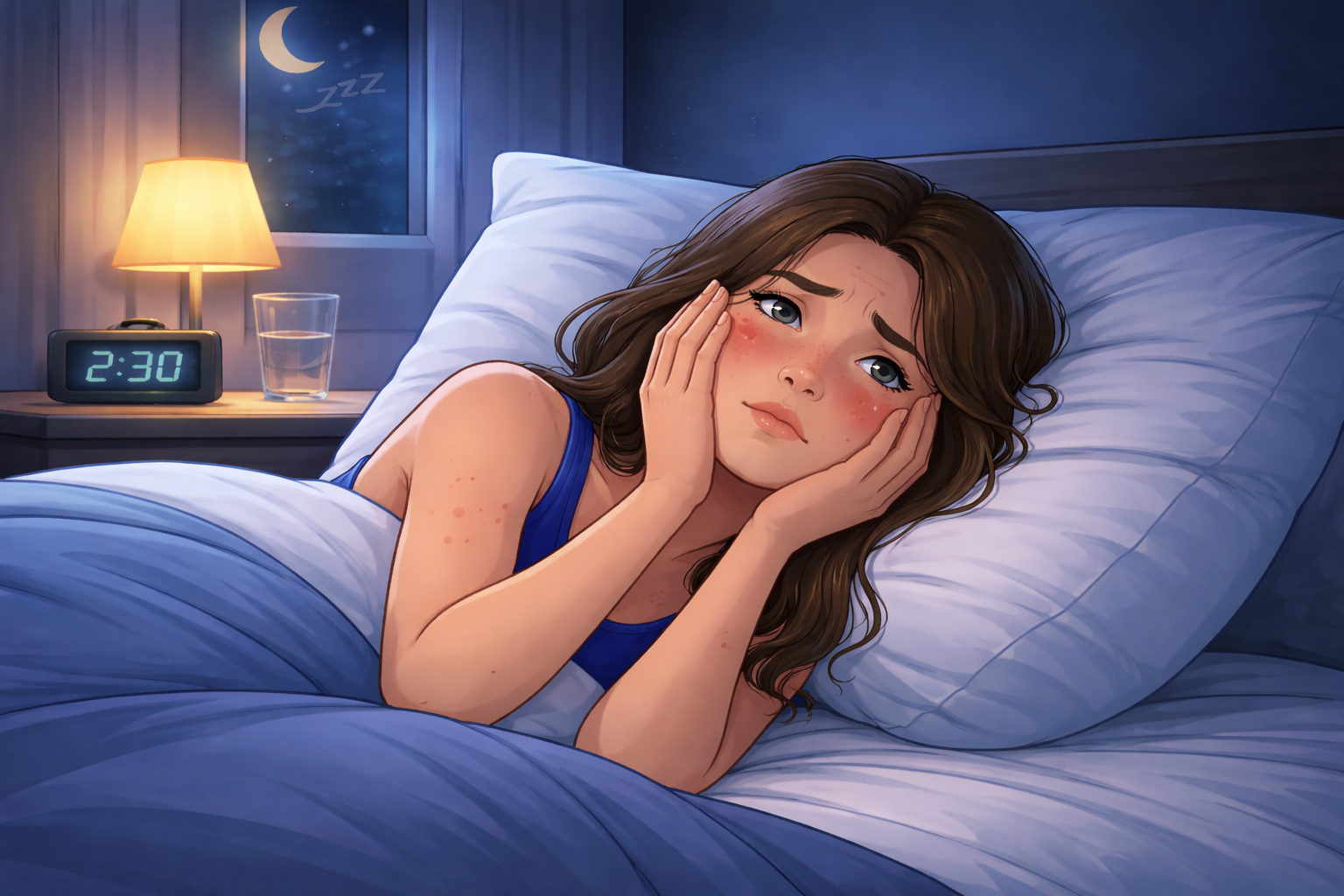
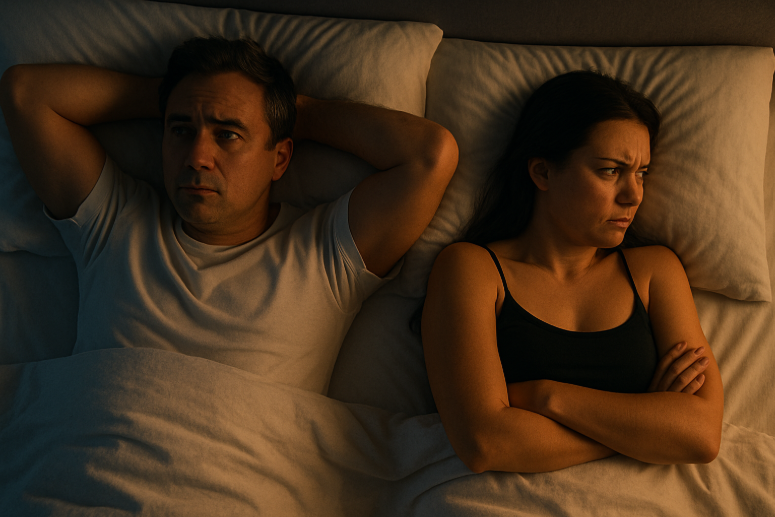
You finally drift off, only to wake up needing the bathroom. You return to bed, find a comfortable position, and eventually fall asleep, until it happens again. By morning, you may have spent eight hours in bed, but your night feels anything but restful.
It is easy to blame that last glass of water or assume these interruptions are simply part of getting older. But nighttime bathroom trips can involve more than fluid intake or the bladder alone. Sometimes the need to urinate interrupts sleep. Other times, a sleep disturbance causes the awakening first. Understanding the difference can help explain why the trips keep happening, and what might help.
When a Bathroom Trip Becomes a Sleep Problem
Waking during your main sleep period to urinate is called nocturia. Each episode is followed by sleep or the intention to return to sleep, which distinguishes it from your first bathroom visit after getting up for the day. Even one episode meets the definition, although the number of trips does not fully capture how disruptive the problem feels. Someone who falls asleep immediately afterward may have a very different experience from someone who remains awake for another hour.[1]
The effects can extend beyond the night. In the Boston Area Community Health Survey, which included more than 5,500 adults, nocturia was associated with poorer physical and mental health-related quality of life. These findings do not establish that nighttime urination caused those differences, but they show why repeated bathroom trips deserve attention when they begin affecting daily life.[2] Research also connects more frequent nighttime urination with less continuous sleep. In a study of 1,520 women aged 80 and older, those reporting more bathroom trips had poorer perceived sleep quality and spent longer awake after initially falling asleep. The results apply specifically to older women, but they illustrate an important point: time in bed and time spent sleeping are not interchangeable. Repeated awakenings can leave substantial portions of the night spent awake.[3]

Did Your Bladder Wake You, or Were You Already Awake?
Nocturia is a symptom with several possible explanations. Some people produce a relatively large amount of urine overnight, a pattern called nocturnal polyuria. Others have difficulty storing urine comfortably, so smaller amounts trigger the need to go. These patterns can overlap. In the Lower Urinary Tract Dysfunction Research Network cohort, more severe nocturia was associated with greater sleep disturbance and a higher likelihood of having multiple contributing patterns.[4]
Medical conditions can also influence the picture. Diabetes, for example, may increase urination when blood glucose remains high. It can also affect the nerves involved in bladder sensation and emptying. This means that two people making the same number of bathroom trips may need different evaluations and treatments. The frequency is useful information, but it does not identify the cause by itself.[5]
Sleep can contribute from the other direction. You may awaken because of insomnia or another disturbance, then notice your bladder and decide to go. A small secondary analysis of a randomized trial supports taking this possibility seriously: among 30 older adults with insomnia and nocturia, those receiving brief behavioral insomnia treatment reported fewer nighttime bathroom trips than an information-only comparison group. The study was preliminary, but it suggests that improving sleep can sometimes reduce bathroom visits even when treatment does not directly target the bladder.[6]
Thinking about which sensation came first can therefore be helpful: a strong urinary urge, or the realization that you were already awake? Your recollection cannot diagnose the problem, and both processes may occur during the same night. Still, that detail gives your clinician a better starting point than the number of trips alone.
The Connection with Sleep Apnea You Might Not Expect
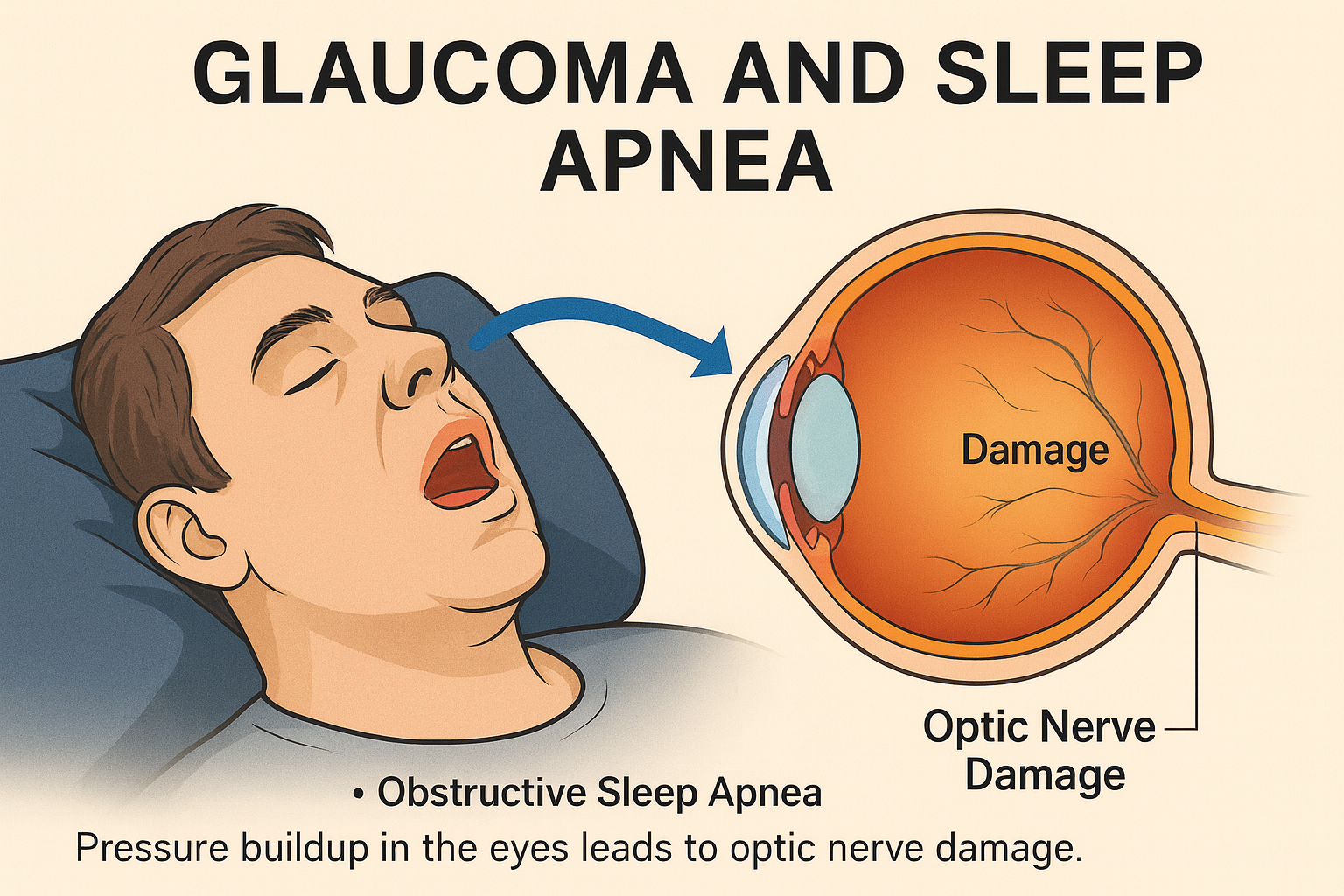
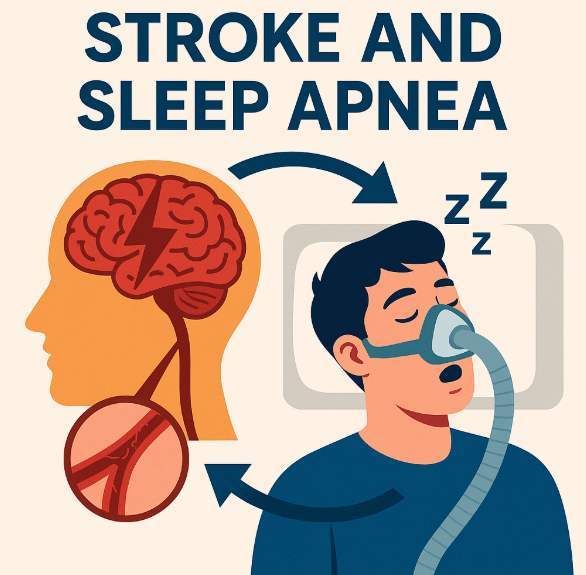
When people think of obstructive sleep apnea, they usually picture loud snoring, gasping, or pauses in breathing. Frequent nighttime urination is another recognized symptom. If bathroom trips occur alongside witnessed breathing pauses, daytime sleepiness, or persistent tiredness, it is worth mentioning the whole combination to a healthcare professional. Nocturia alone does not establish that someone has sleep apnea.[7]
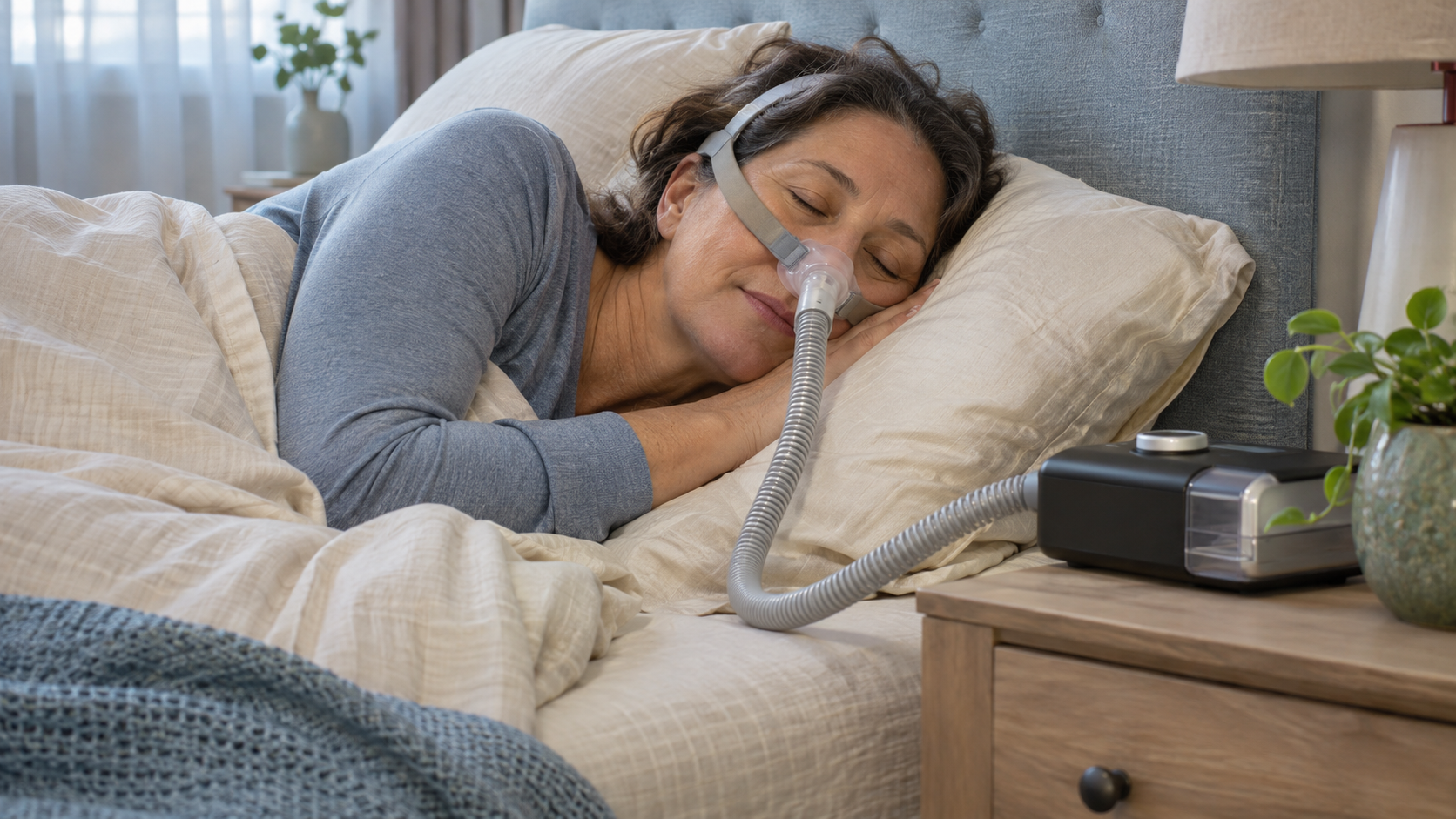
The relationship may involve changes in urine production as well as disrupted sleep. Breathing against an obstructed airway can alter pressure inside the chest and affect signals involved in fluid balance. Researchers have investigated atrial natriuretic peptide, a hormone that encourages the kidneys to release sodium and water. In a small study of 15 people with obstructive sleep apnea, CPAP treatment reduced nighttime urine output; among the eight participants who had hormone measurements, nighttime levels of this peptide also decreased. These findings support a possible mechanism without proving that it explains every case.[8]
Other research has found reductions in nighttime urine volume and bathroom frequency after CPAP treatment. In one prospective study, researchers measured urinary symptoms and collected overnight urine in subsets of patients undergoing assessment and treatment for sleep apnea. Their findings suggest that the improvement can involve an actual reduction in overnight urine production, rather than only fewer opportunities to visit the bathroom.[9]
A larger study involving 274 patients provides a practical example: 42.3% reported at least one fewer bathroom trip per night after CPAP treatment. The proportion reporting two or more trips decreased from 73.0% to 51.5%. However, this was a before-and-after study based on patient reports, rather than a randomized comparison. It shows that treatment may help some people, while also demonstrating that nocturia often persists and may require additional evaluation.[10]
Finding the Pattern and Getting the Right Help
A useful first step is a three-day bladder diary. Record when you drink, approximately how much, when you urinate, and the amount passed if practical. Include your bedtime, morning wake time, and nighttime bathroom visits. The International Continence Society recommends this type of record because it helps distinguish excessive overnight urine production from frequent visits involving smaller amounts. You can also note whether urgency seemed to wake you or appeared after you were already awake.[11]
Review the everyday contributors without assuming they explain everything. Large evening drinks, caffeine, alcohol, and certain medications can increase nighttime urination. Prostate enlargement, leg swelling, and conditions affecting the heart or kidneys may also contribute. If you take a diuretic, ask your prescriber whether its timing could be relevant rather than changing the medication yourself. The appropriate response depends on what is driving the symptom.[12]
Persistent or bothersome nighttime urination deserves a medical conversation, especially when it represents a change from your usual pattern. Pain or burning during urination, or blood in the urine, also warrants assessment. Bring your diary and mention accompanying symptoms, including urinary urgency during the day, increased thirst, snoring, or breathing pauses, so the evaluation can consider both urinary and sleep-related causes.[7,12]
The next time you find yourself heading to the bathroom at 3 a.m., pay attention to the pattern rather than dismissing it as inevitable. Understanding what interrupts your night can help you and your clinician choose a treatment that addresses the reason you are waking.
Conclusion
Repeated nighttime bathroom trips are worth paying attention to, especially when they leave you tired the next day. The explanation may involve urine production, bladder function, disrupted sleep, or several factors working together. Noticing the pattern and discussing it with your clinician can help identify which contributors deserve attention.[4,11]
If those trips come alongside snoring, gasping, or daytime sleepiness, include those details in the conversation. Addressing an underlying sleep disorder may help some people reduce nighttime urination, while others need additional treatment. The goal is fewer interruptions and more restful sleep, guided by an understanding of what is waking you.[7,10]