Reviewed by Sahil Chopra, MD.
Research by Savit Malhotra and Quynh Theresa Do.
Introduction
Periodic limb movements (PLMs) are among the most common sleep-related movement disorders characterized by repetitive limb movements during sleep.[1] PLMs are frequently associated with restless legs syndrome (RLS), obstructive sleep apnea, cardiovascular disease, and other neurological conditions.[7] Interestingly, there may also be a link between PLMs and cyclic variation of heart rate (CVHR). Over the past few weeks, we have spent some time discussing CVHR in-depth, and this week, we will continue our discussion by sharing the link between CVHR and PLMs. While CVHR is typically better understood in the context of sleep apnea or apneic events, increasing research has shown that PLMs are also accompanied by recurring heart rate fluctuations that share some similarities with the CVHR pattern. As we will discuss, the fact that some PLMs demonstrate these cyclic heart rate changes has many practical applications in a clinical setting, especially with the improvement of home sleep testing.
What Are Periodic Limb Movements
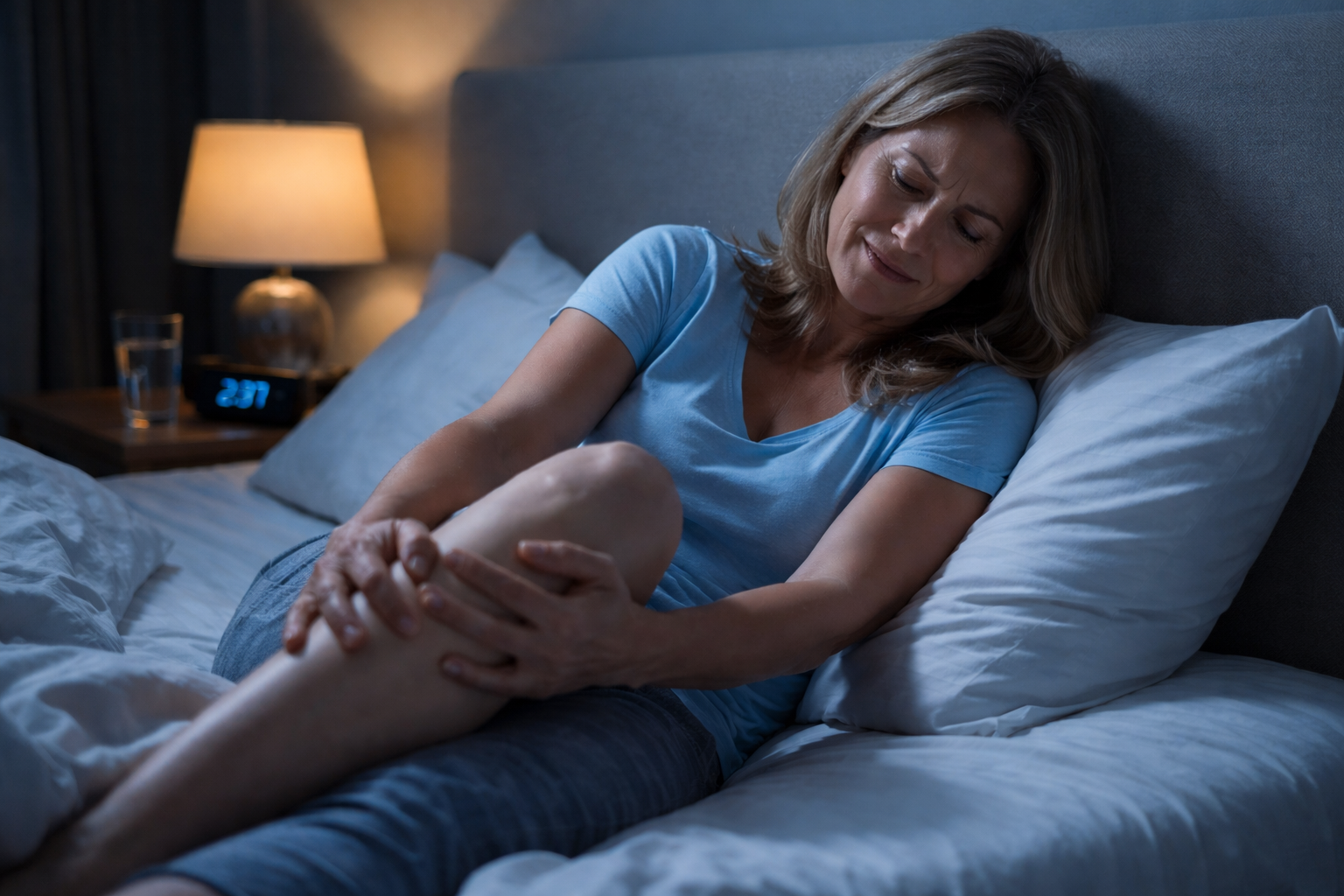
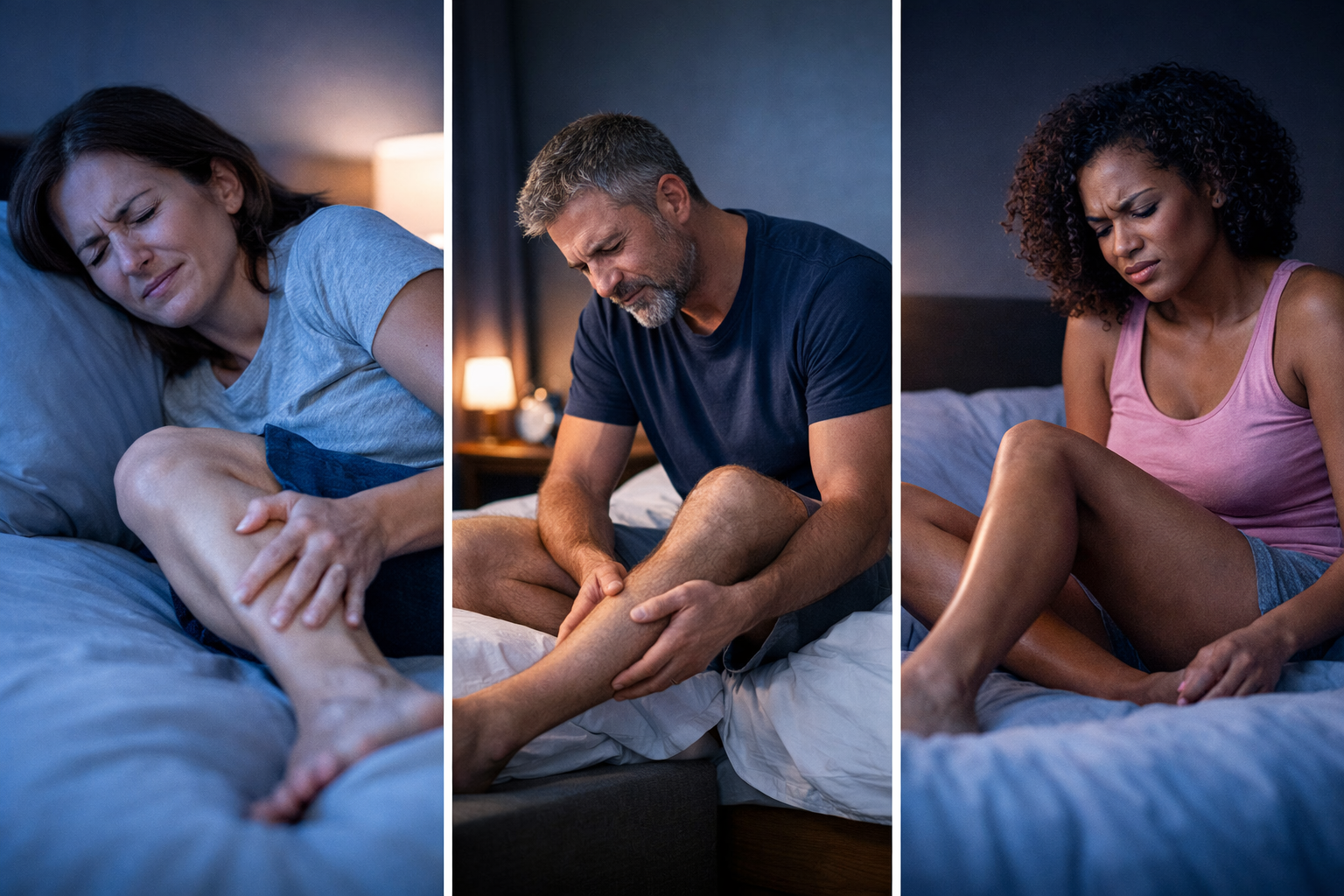
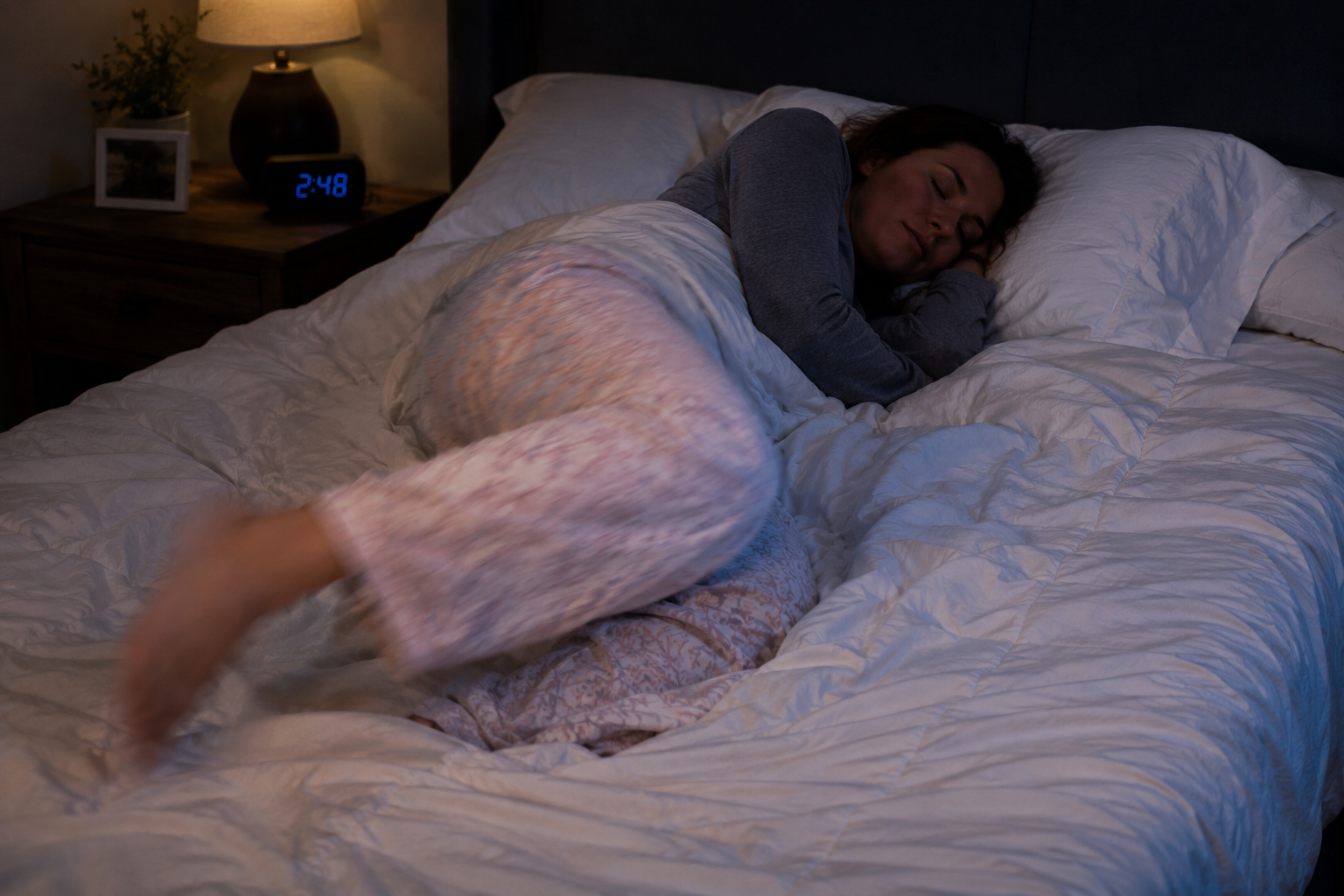
PLMs are a sleep-related movement disorder characterized by repetitive, involuntary muscle movements that occur during sleep.[1] Oftentimes, they occur alongside restless legs syndrome, meaning that the involuntary muscle movements commonly affect the legs, though they can also involve the upper extremities.[1] The key difference between PLMs and RLS is that, while PLMs are the involuntary twitching of the limbs, RLS is more the urge to move the legs. Additionally, RLS is diagnosed by meeting a set of clinical diagnostic criteria, whereas PLMs are identified on polysomnography.[2] In PLMs, the typical movement pattern is a brief extension of the big toe accompanied by flexion of the ankle, knee, or hip, and often occurs in a rhythmic pattern roughly every 15 to 30 seconds throughout the night.[3,4] Oftentimes, those who have PLMs are unaware that these movements are even occurring. Approximately 30% of PLMs are associated with brief arousals on EEG, and even when visible arousals are not scored, PLMs can still be accompanied by autonomic activations that may disrupt sleep quality.[3] , while PLMs and RLS may occur together, not everyone with PLMs has RLS, and, similarly, not everyone with RLS experiences significant PLMs during sleep.[4]
Typically, the prevalence of PLMs increases with age and is particularly common among older adults, including healthy adults over 50.[5] They may also occur more frequently in individuals with certain medical conditions, including iron deficiency, chronic kidney disease, heart failure, diabetes, narcolepsy, and sleep-disordered breathing.[6,7] Although occasional limb movements are considered a normal part of sleep, frequent PLMs may contribute to excessive daytime sleepiness, reduced sleep quality, and impaired daytime functioning when associated with recurrent sleep fragmentation.[7]
The Connection Between CVHR and PLMS
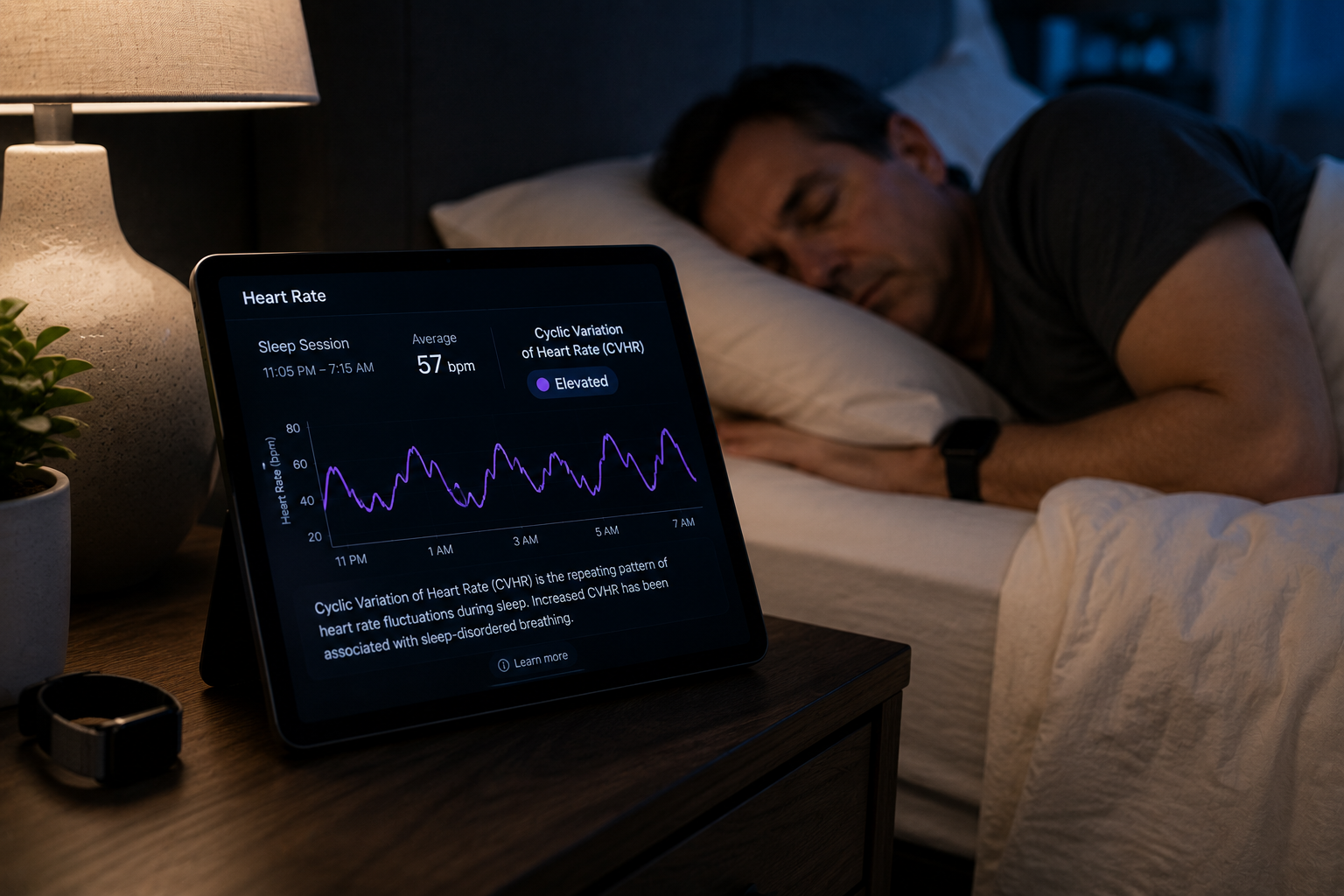
While CVHR has traditionally been studied in obstructive sleep apnea, emerging evidence suggests that PLMs may produce recognizable cardiovascular patterns. Research has shown that PLMs are often accompanied by activations of the autonomic nervous system.[8] Each PLM may be associated with increases in heart rate and blood pressure, reflecting a short-lived arousal response from sleep.[9] These cardiovascular responses provide an important link to CVHR, as both phenomena involve recurring fluctuations in autonomic activity during the night.
Notably, the acute cardiovascular responses associated with individual PLMs may be comparable in magnitude to those observed during obstructive sleep apnea events.[10] Like apneic events, PLMs can occur hundreds of times per night, potentially for many years, and may contribute to substantial cardiovascular stress over time.[10] Studies have demonstrated that heart rate changes occur in close temporal association with limb movements, though the exact timing remains an area of active investigation.[11] Some research suggests heart rate begins to rise before the limb movement as part of a broader arousal process, while other studies have found that heart rate and blood pressure increases are most prominent in the seconds following the movement.[11.12] This recurring sequence of acceleration and recovery produces a cyclic fluctuation pattern in the cardiac rhythm.[13]
While the current literature has hypothesized strong reasons for this mechanism, the full physiology behind these responses is still being investigated. One theory suggests that both PLMs and the associated cardiovascular changes arise from a common central nervous system process involving brief arousals from sleep.[12] Rather than the limb movement itself causing the heart rate change, both events may be a manifestation of a broader activation of autonomic and cortical networks. This concept is supported by studies showing that PLMs are frequently accompanied by changes in electroencephalographic activity, increases in sympathetic nervous system output, and brief elevations in blood pressure.[9,12] As we will discuss shortly, this overlap between cyclic heart rate fluctuations and PLM-related cardiovascular responses has important implications for sleep monitoring technologies.
One important note is that the cardiovascular signatures of PLMs and obstructive sleep apnea are not identical, even though the acute magnitude of heart rate and blood pressure changes may be similar. Obstructive events are driven primarily by intermittent airway collapse, oxygen desaturation, hypercapnia, and large intrathoracic pressure swings, whereas PLM-related fluctuations arise from repetitive motor activity and associated autonomic arousals.[14,15] The classic CVHR pattern in sleep apnea involves a specific bradycardia-tachycardia sequence linked to the diving reflex during apnea, which differs from the autonomic activation pattern seen with PLMs.[16] Nevertheless, both conditions demonstrate how recurring disruptions during sleep can leave measurable impacts within overnight heart rate data. Understanding these similarities and differences may improve the interpretation of CVHR and enhance the ability of future monitoring models to distinguish between multiple sources of disturbed sleep.
What Does This Mean for Wearables and Home Sleep Monitoring?
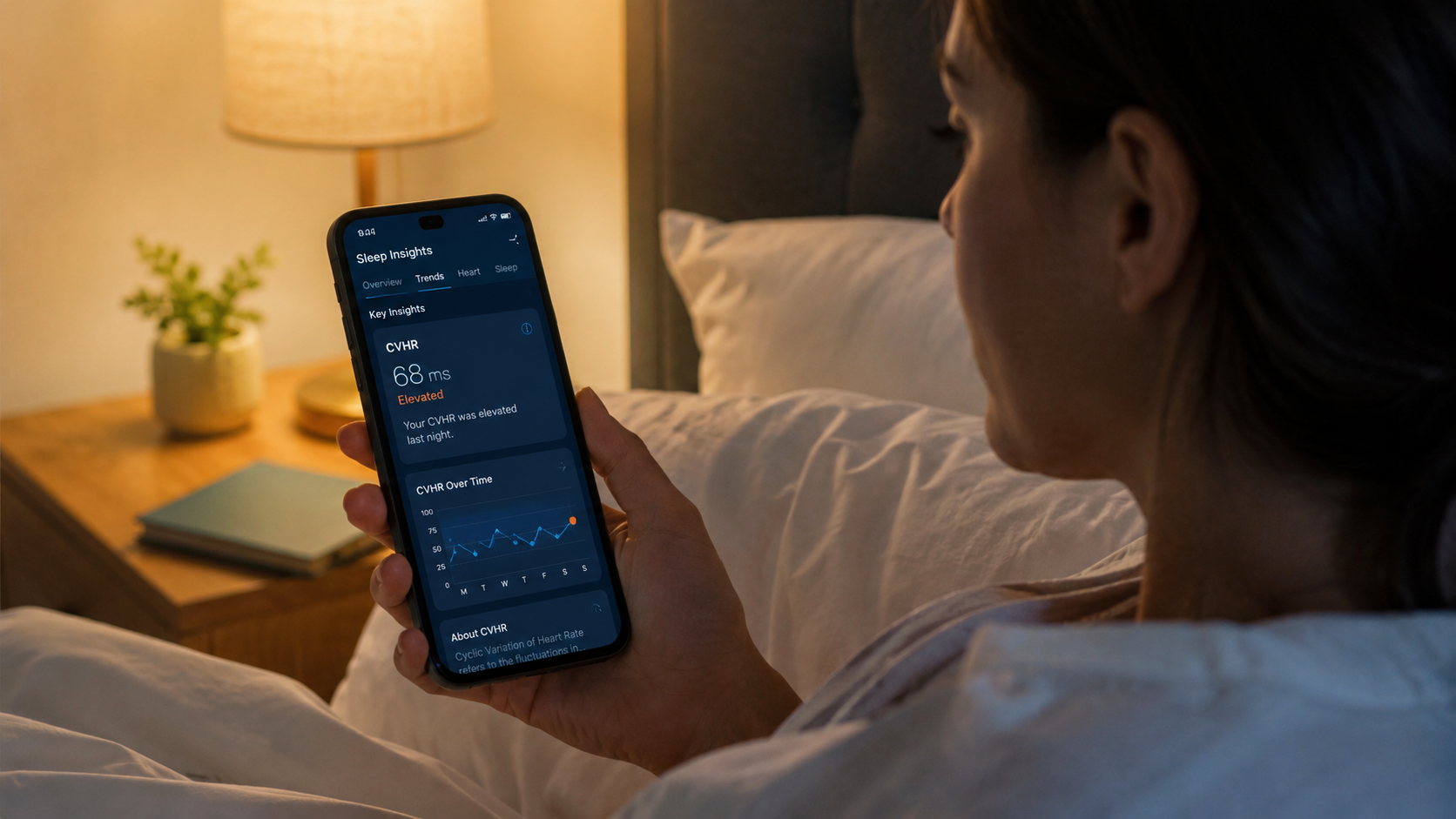
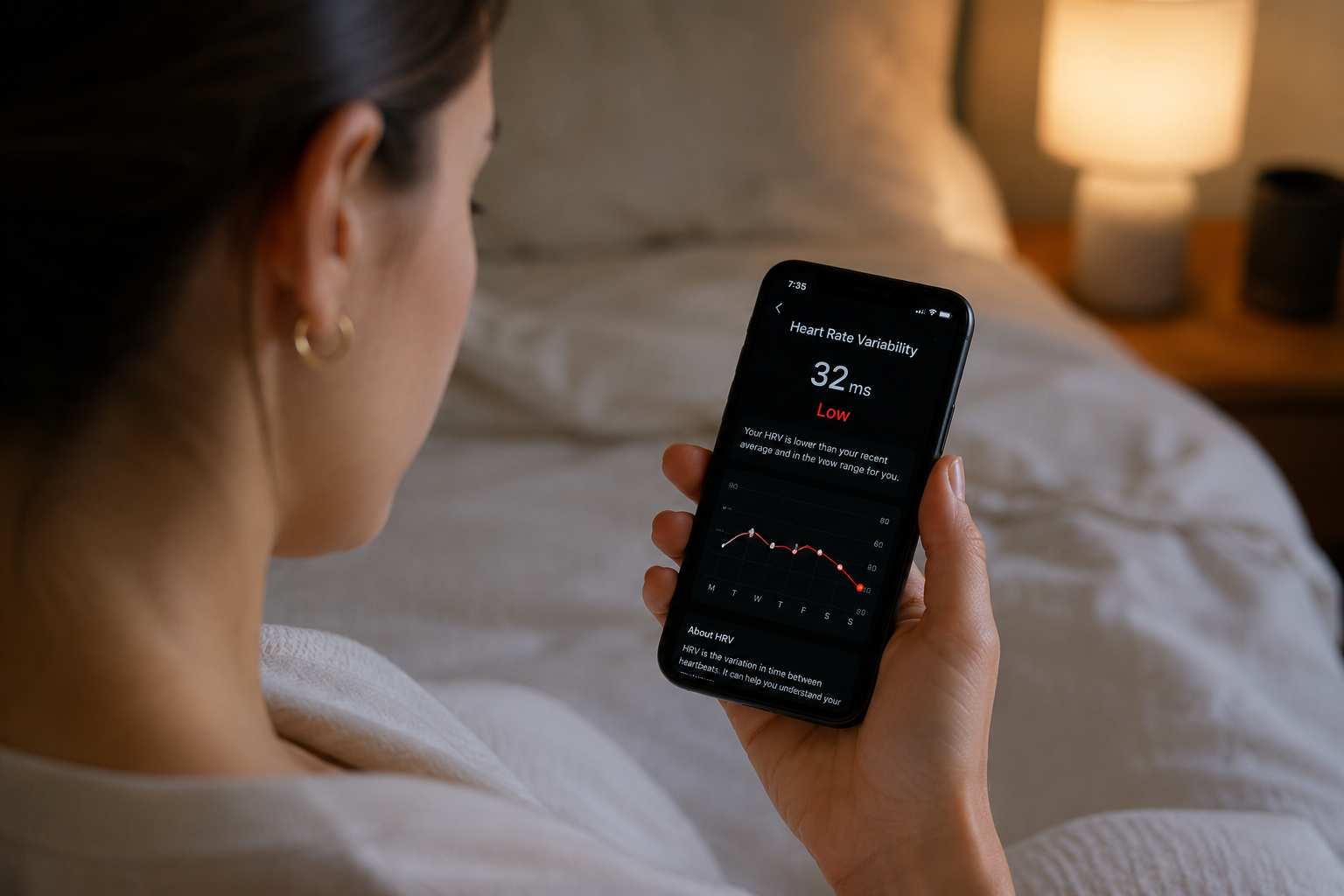
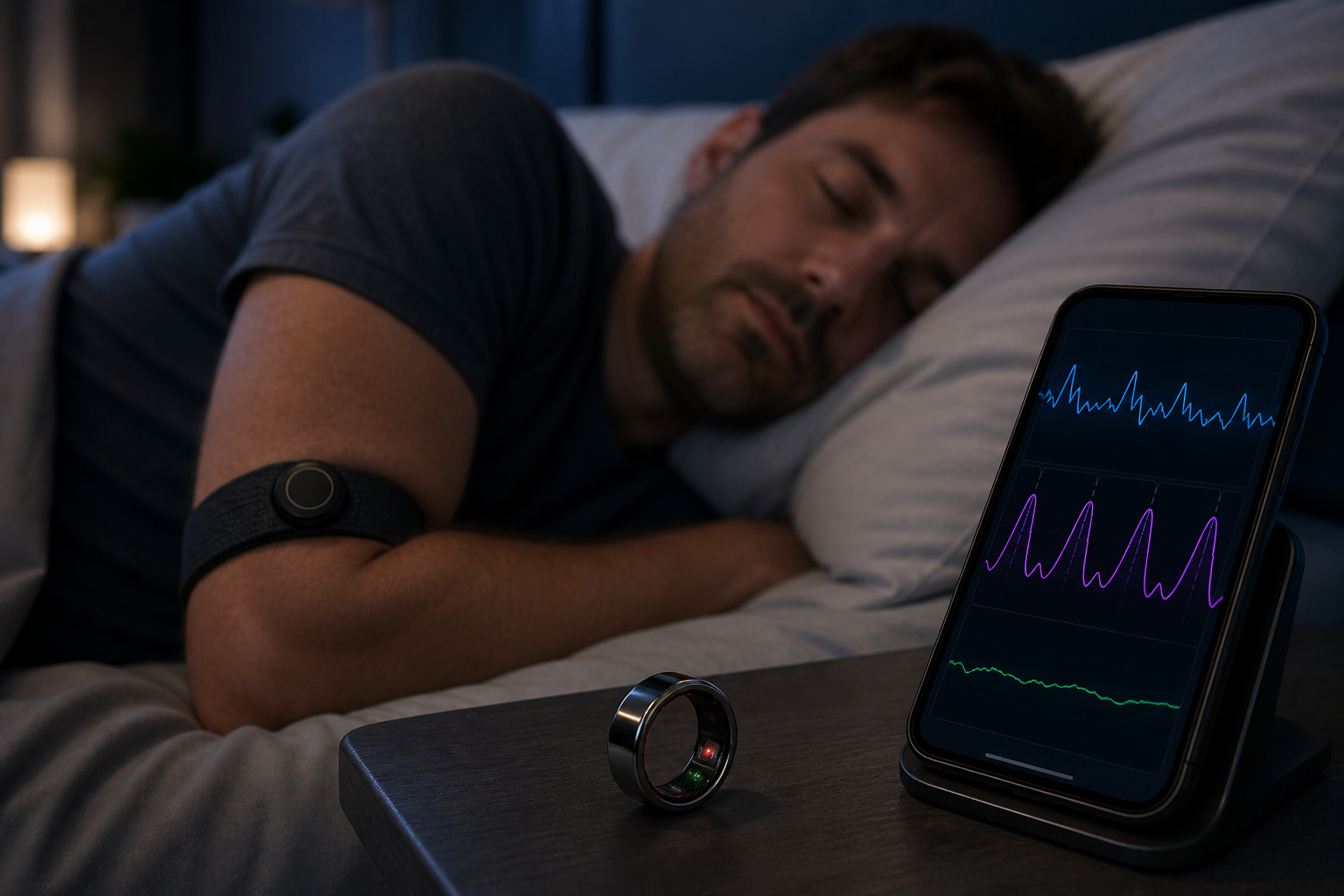
The growing availability of wearable devices capable of continuously measuring heart rate has created new opportunities for the detection and monitoring of PLMs outside of the sleep laboratory. Many of these devices use optical sensors that collect signals called photoplethysmography (PPG), which allow them to capture subtle changes in cardiovascular activity throughout the night.[17] CVHR has traditionally been viewed as a marker of obstructive sleep apnea because apneic events often lead to the body needing to compensate for a lack of oxygen, which creates the typical CVHR pattern. However, recurrent PLMs may also generate rhythmic heart rate fluctuations that are detectable through PPG and wearable devices. If heart rate patterns associated with PLMs can be reliably identified from these signals, wearable technologies may offer a practical way to screen for sleep-related movement disorders at home. Rather than relying solely on a night of polysomnography (or a sleep study), clinicians could potentially evaluate autonomic patterns across multiple nights.[18] This provides a more representative view of an individual’s sleep health.
Additionally, longitudinal monitoring may be advantageous since both PLM frequency, sleep apnea severity, and autonomic responses during sleep can vary from night to night.[19,20] Wearables may help monitor treatment effectiveness, for instance, over time. Providers can use information from these devices to infer improvements or worsening. A reduction in PLM-related cardiovascular activations could indicate improvements in sleep quality even when movement counts remain unchanged.[21] This can potentially mean that, despite the number of movements not changing, the impact of PLMs may have been reduced. Since autonomic activation may be one of the mechanisms linking PLMs to hypertension and cardiovascular disease, tracking heart rate responses could provide more information beyond traditional sleep metrics.[22]
There are challenges, however, that still remain when considering wearables and home sleep monitoring. For one, heart rate fluctuations during sleep can result from many factors, including sleep apnea, spontaneous arousals, changes in sleep stage, and environmental disturbances.[23,24,25,26] A rise in heart rate may occur because of a periodic limb movement, but it may also reflect a breathing disturbance, a brief awakening, a change from deep sleep to lighter sleep, or even external factors such as noise or temperature changes. As a result, detecting a pattern of cyclic heart rate variation alone does not necessarily reveal the underlying cause. PPG remains more susceptible to signal noise and motion artifacts than electrocardiography.[27] Small shifts in sensor position, reduced skin contact, or movement during sleep can affect signal quality and make subtle autonomic changes more difficult to detect. Further research is needed to determine how accurately wearable-derived CVHR measures can distinguish PLMs from other sleep-related events.
Conclusion
PLMs during sleep are frequently accompanied by activation of the autonomic nervous system, leading to measurable changes in heart rate and other cardiovascular signals. As wearable devices become increasingly capable of continuously monitoring these signals, researchers are exploring whether CVHR could serve as a useful marker for detecting and monitoring PLMs outside the sleep laboratory. Advances in wearable technology are creating new opportunities for accessible, long-term sleep monitoring. At Empower Sleep, we aim to make sleep assessments more convenient, accessible, and easy to navigate. Our goal is to help individuals better understand their sleep health through innovative, data-driven approaches. Start your sleep journey with us today!


.png)
.png)