Reviewed by Sahil Chopra, MD, and Stacey Gunn, MD.
Research by Savit Malhotra and Quynh Theresa Do.
Introduction
As we conclude our series on the skin and sleep, we will now shift our focus to discuss restless leg syndrome, also known as Willis-Ekbom disease. This neurological condition impacts between 7% and 10% of people in the United States in a year.[1] When looking at moderate to severe symptoms at least twice weekly, the prevalence is 3%.[2] Since RLS often occurs during periods of rest during evenings or nights, it has major consequences on sleep. This cycle of RLS disrupting sleep and sleep deprivation exacerbating RLS causes those suffering with the condition to sometimes feel stuck. In this first addition to the series, we will begin our discussion by describing what RLS is, how it impacts sleep, the symptoms to be on the lookout for, and the overall prevalence of the condition.
What is RLS?
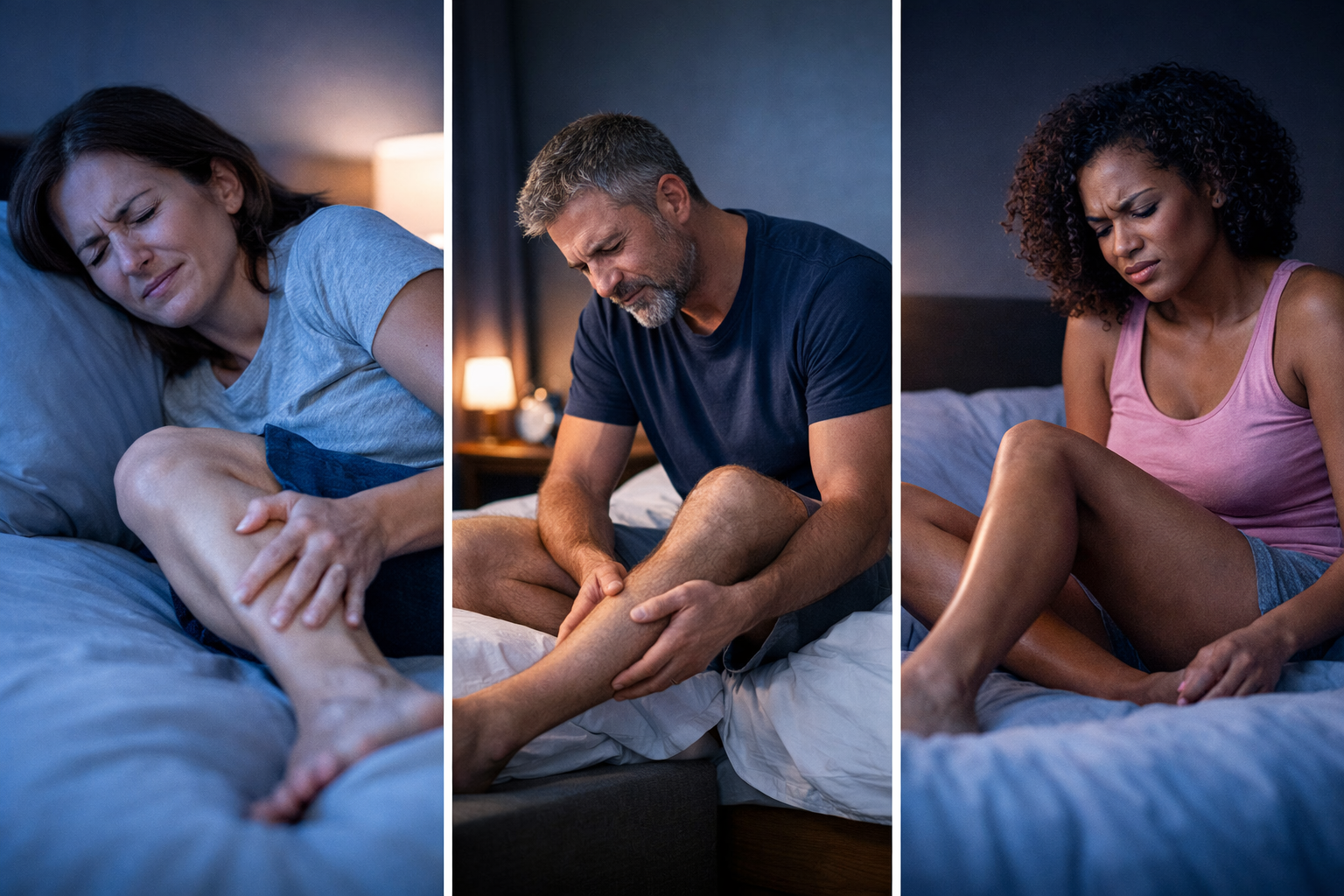
Restless legs syndrome, abbreviated as RLS, is a condition that can cause an irresistible urge to move the legs. This feeling is accompanied by other discomforts, making it hard to relax.[1,3,4] The discomfort for many is only relieved after they are able to move their legs. RLS can be classified as early-onset (slower progression and occurring before the age of 45) or late-onset (quicker progression and occurring after the age of 45).[1] RLS is also classified as either primary or secondary.[5] Primary (or idiopathic) RLS refers to RLS that occurs independently and is not associated with another disease. Primary RLS is more often seen in cases of early-onset RLS. Secondary RLS, on the other hand, refers to RLS that is associated with other diseases such as neuropathy, iron deficiency, and end-stage kidney disease.
Symptoms of RLS
RLS can manifest itself in different ways depending on the person. However, the common symptoms of RLS include[1,3,4]:
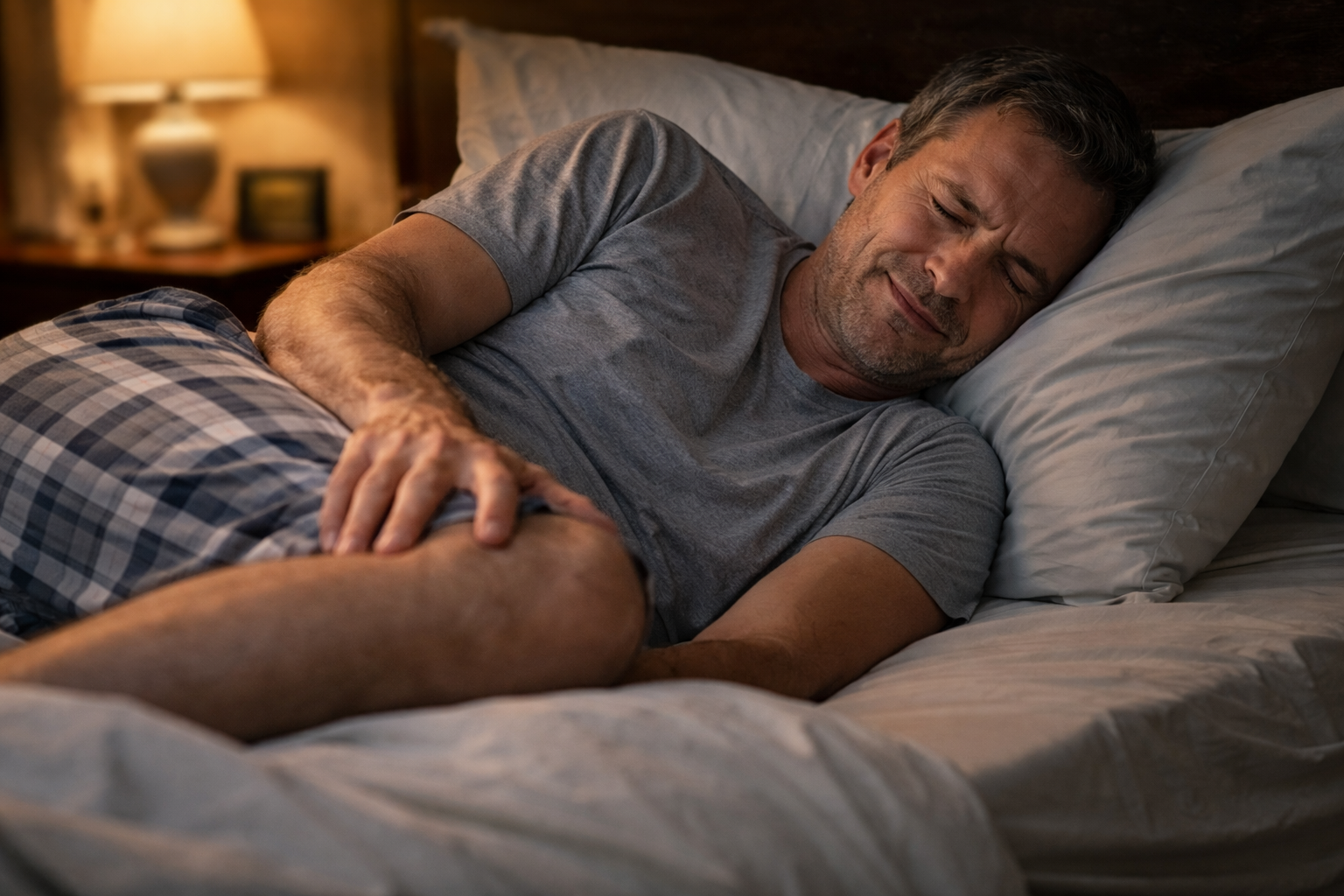
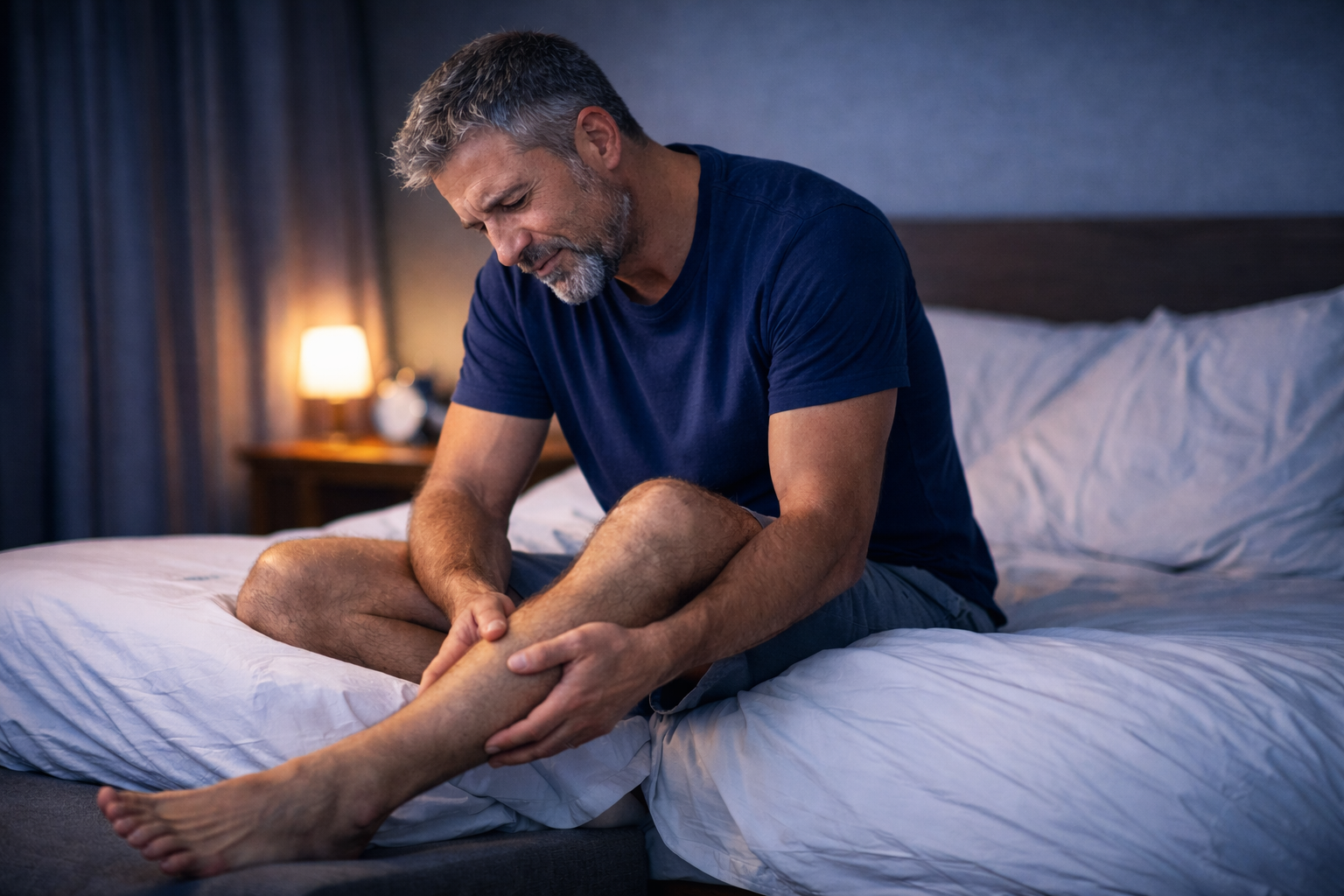
- Uncomfortable urges to move your legs, especially when you are resting. These sensations can feel like aching, tingling, crawling, and tugging. Patients report that RLS feels different than a muscle cramp or muscle numbness. The key difference is the strong desire to move their legs.
- Feeling temporary relief from the discomfort when you move your legs. Stretching and moving legs can lessen the urge from RLS.
- Worsening urges in the evenings, at night, or when lying down, with a circadian pattern to the onset of symptoms.
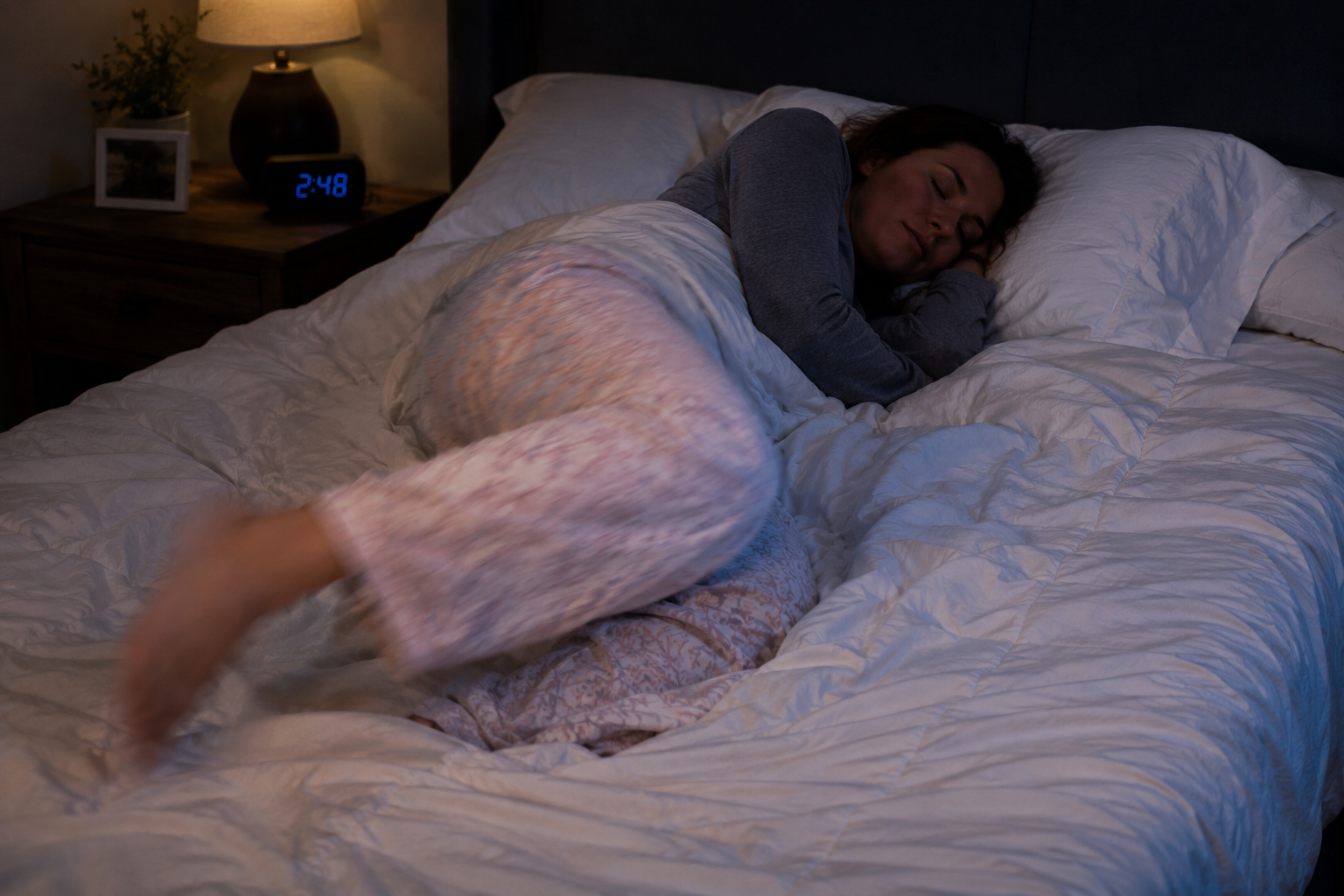
- Legs that twitch, jerk, or twitch during the night. People who have RLS also often have periodic limb movement of sleep.[3]
These symptoms may impact one or both sides of your body. Severe RLS can also progress to impact someone’s arms. Given that most of these symptoms are worsened at night, RLS can affect a person’s sleep quality and length.
How Does RLS Impact Sleep?
As mentioned, those with RLS constantly feel as if they need to move their legs, and this includes while they are trying to sleep. During the night, a person may experience a crawling sensation, burning, itching, aching, tugging, pulling, or throbbing, all of which are some of the different ways in which RLS can manifest.[1] This can make falling asleep quite difficult. For example, if a person constantly feels itchy in their legs and needs to scratch them, they may stay up and try to alleviate the sensation. Or, during the night, a person may feel an ache or a pain that wakes them up, disrupting their sleep. In some cases, the involuntary movements a person experiences from leg movements could wake up their bed partner.
RLS impacts sleep in many other ways aside from quality. One study has found that those with RLS had significantly reduced total sleep time, with the average sleep time for those with RLS being about 326.3 minutes (about 5.4 hours) compared to those without RLS sleeping for about 383.3 minutes (about 6.4 hours).[6] This same study found that those with RLS experienced more nighttime awakenings (about 12.2 awakenings for those with RLS compared to about 7.4 awakenings for those without) and had insomnia-like symptoms and daytime sleepiness after a restless night.[6]
Who is Most Likely to Have RLS/How Common is the Condition?
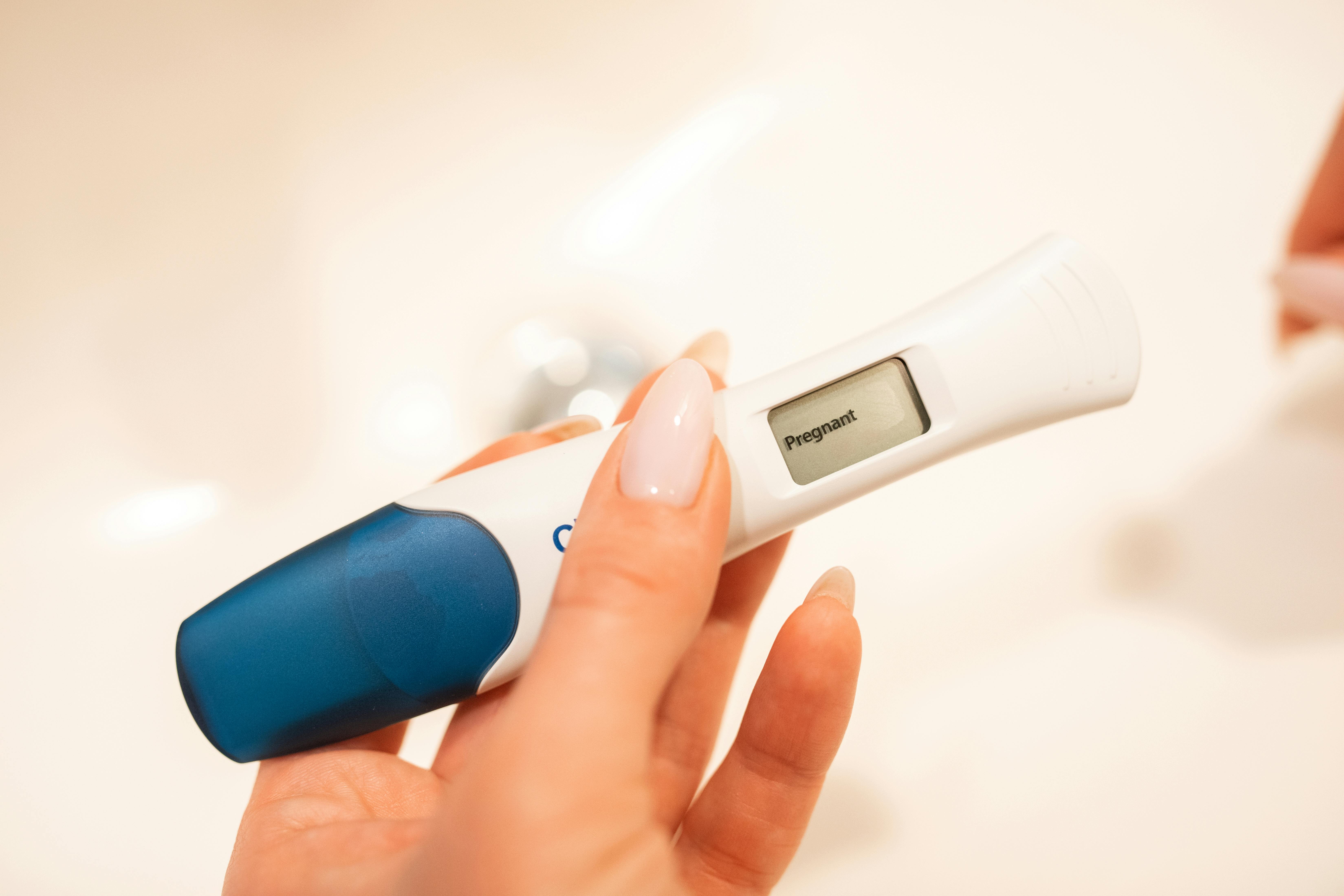
Although the national prevalence for RLS is around 3% (for those who have regular symptoms), the estimated prevalence for RLS in older adults aged 65 and up is around 10% (for those that ever have any symptoms).[7,8] While we won’t be diving too deep into the mechanisms behind why older adults are more likely to have RLS in this article (which we will instead do in a future article), we will briefly say that this is mostly due to other comorbidities (such as peripheral neuropathy).[3] However, aside from age, there are a number of other groups that are more likely to suffer from RLS. For example, women are at a greater risk of developing RLS than men, particularly pregnant women.[4, 9] Those who have a family history of RLS are also more likely to develop RLS due to specific gene variants that are known to be associated with RLS.[4] Previous studies have linked Parkinson’s disease with RLS as well, although this relationship is complicated (as noted by the American Academy of Neurology), as those with Parkinson’s may have cramps, muscle rigidity, stiffness, tremor, or dystonia, which can be difficult to distinguish from restless legs.[10] Although the condition is not common in children (affecting roughly 2% of children), it is significantly more common in children with ADHD (affecting roughly 11-42.9% of children diagnosed with ADHD).[11,12] And finally, as we mentioned briefly earlier, there are a number of comorbidities aside from peripheral neuropathy that can lead to RLS, such as iron deficiency and kidney failure.[3]
Conslusion
If RLS has your mind running in circles, you’re not alone. Millions suffer from RLS globally, but with the speed at which modern medicine is developing, new treatments for the condition continue to follow. Several clinical trials are currently being performed to better understand RLS therapies. Throughout this crash course series, we will continue to explore the many different aspects of RLS to better paint the full picture of the condition, while looking into these new RLS therapies.
If you are looking to get started with treating your RLS, the team here at Empower Sleep can help you better understand your options. From medications to lifestyle changes, our providers utilize a holistic approach to better assess and manage your RLS. For more information, we encourage you to visit our website!


.png)
.png)