Reviewed by Sahil Chopra, MD, and Stacey Gunn, MD.
Research by Savit Malhotra and Quynh Theresa Do.
Introduction
As we age, one question that quietly lingers in the back of our minds is, “How do I keep my skin looking healthy and youthful?” While wrinkles and fine lines often steal the show, many people overlook the skin conditions that become more common later on in life. Rosacea, a chronic inflammatory condition, is one such example. This week, we’ll be continuing our series on how sleep impacts the skin with a particular focus on rosacea. Unfortunately, there are still many unknowns behind this condition, such as why it comes about, who is most at risk, and how to cure the condition. One area that is understood is that poor sleep, or the lack of enough sleep, can lead to rosacea.
In this week’s article, we’ll be diving into this topic and looking at what rosacea is, how poor sleep can lead to this condition, and why maintaining healthy, consistent sleep is a key way to prevent your skin from developing this condition.
What is Rosacea?
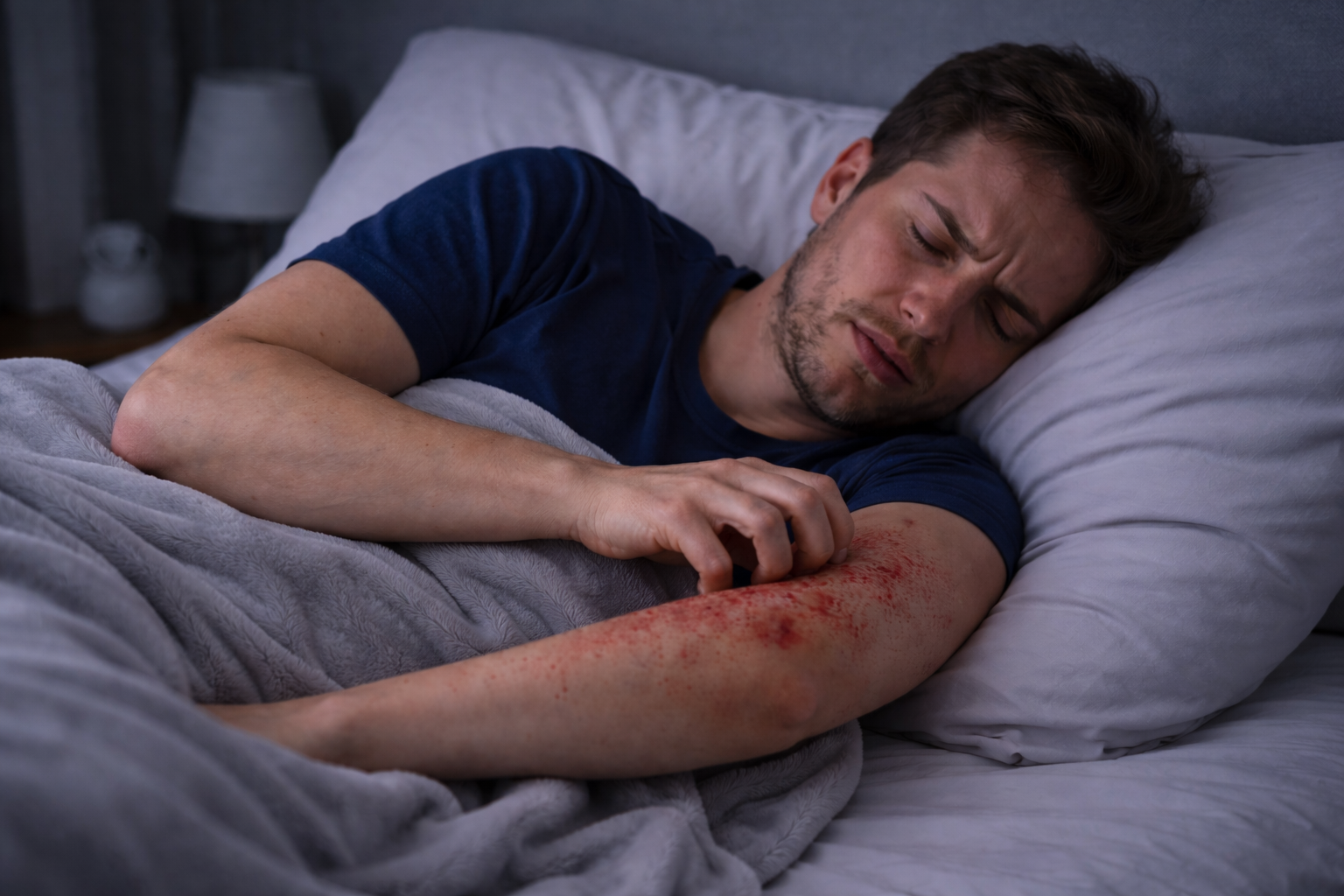
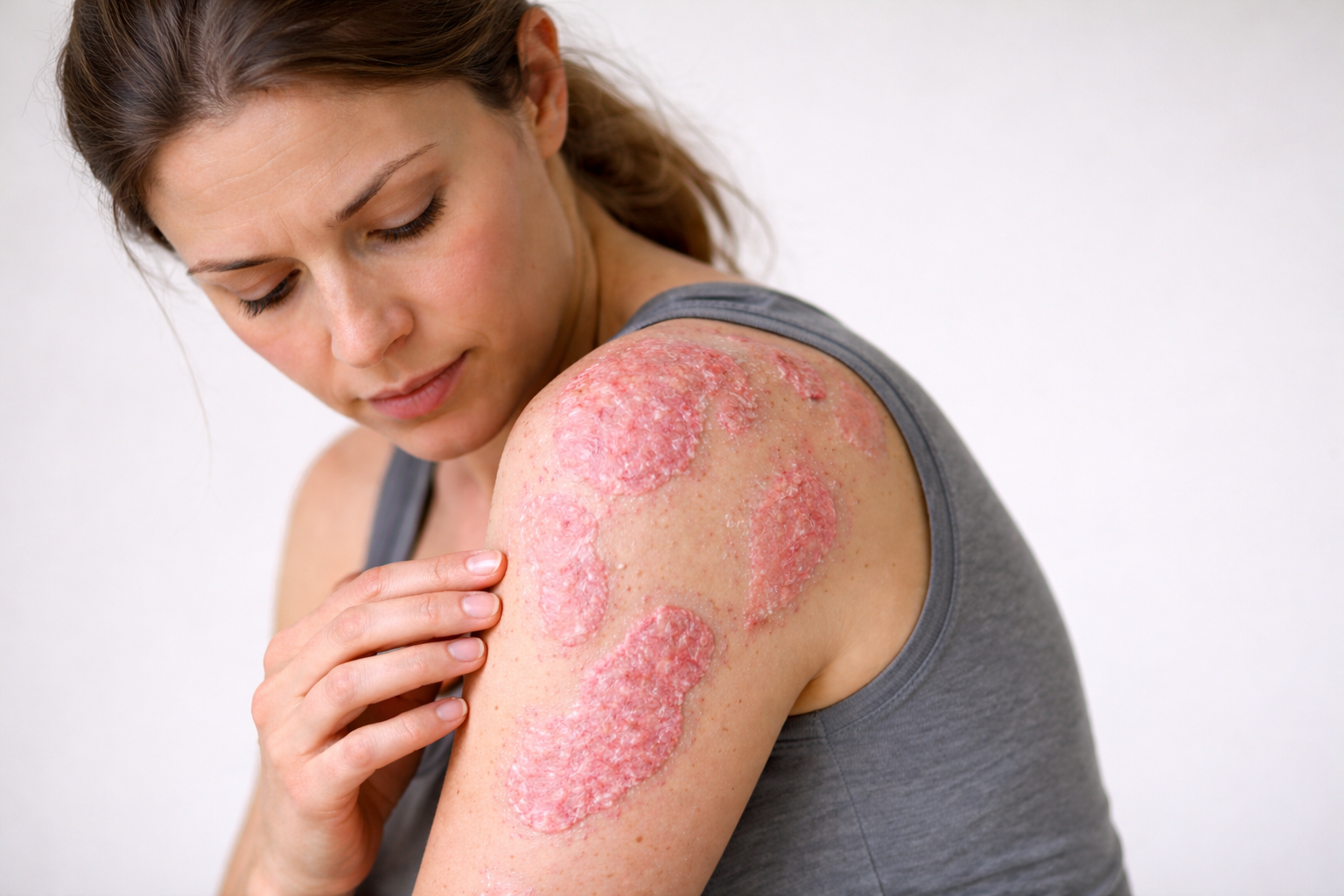
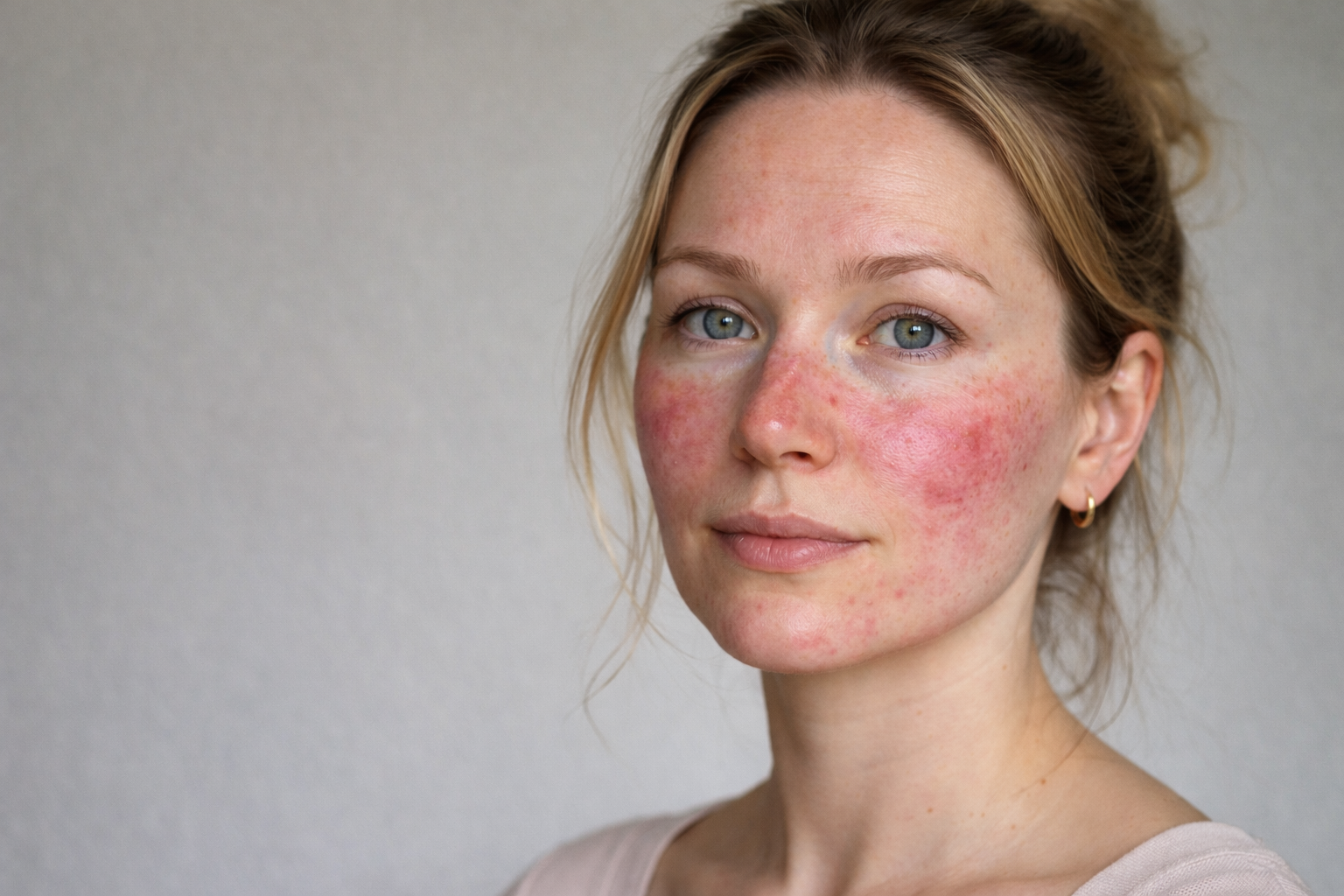
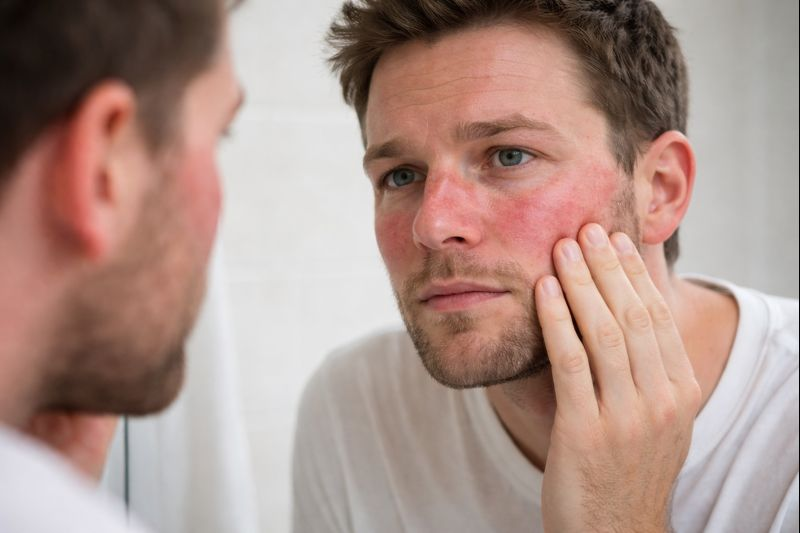
Rosacea is defined by the Mayo Clinic as a chronic skin condition that can cause flushing, persistent redness, papules, or pustules on your skin.[1] Rosacea can be long-lasting, with flares spanning from a couple of weeks to a couple of months, and the condition lasting years to decades. Beyond the appearance symptoms, the condition can also cause irritation for eyes, affected skin, and dryness. Many people associate rosacea as a facial skin condition, but rosacea can also affect the chest, ears, neck, and scalp as well. Rosacea can oftentimes be misdiagnosed, as it appears similar to other skin conditions.[2] The hue of redness can differ based on each individual’s skin color, and the presentation of rosacea differs amongst individuals, so it is important to consult a dermatologist to find a proper diagnosis and treatment. The exact cause of the condition is unknown, although there are well-known triggers such as sun exposure, stress, and hormonal changes.[1, 3]
The traditional treatment for rosacea involves first identifying and avoiding known triggers. Clinicians may recommend lifestyle modifications such as stress management, skin care, and avoiding certain foods as a means to prevent rosacea.[1, 3] Other treatments include topical and oral medication, laser procedures, or surgical procedures.[1, 2, 3] Topical medication can come in the form of a cream or gel to help reduce mild to moderate symptoms of rosacea. Examples include brimonidine (Mirvaso), oxymetazoline (Rhofade), Ivermectin (Soolantra), Metronidazole (Metrogel), and Azelaic Acid (Finacea). Some of these products are effective for 12 hours after use, but are only temporary. Others require daily long-term use to see results. A provider may prescribe oral medication such as antibiotics (doxycycline [Oracea]) or, in severe cases, may use acne medicine (isotretinoin [Amnesteem]). Oral medication targets rosacea by its anti-inflammatory effects or by shrinking the sebaceous gland size.[4, 5] Laser treatments and surgical procedures are used in severe rosacea to address vascular components that can contribute to the symptoms and reduce excess redness of the skin.[6]
Sleep’s Impact on Rosacea
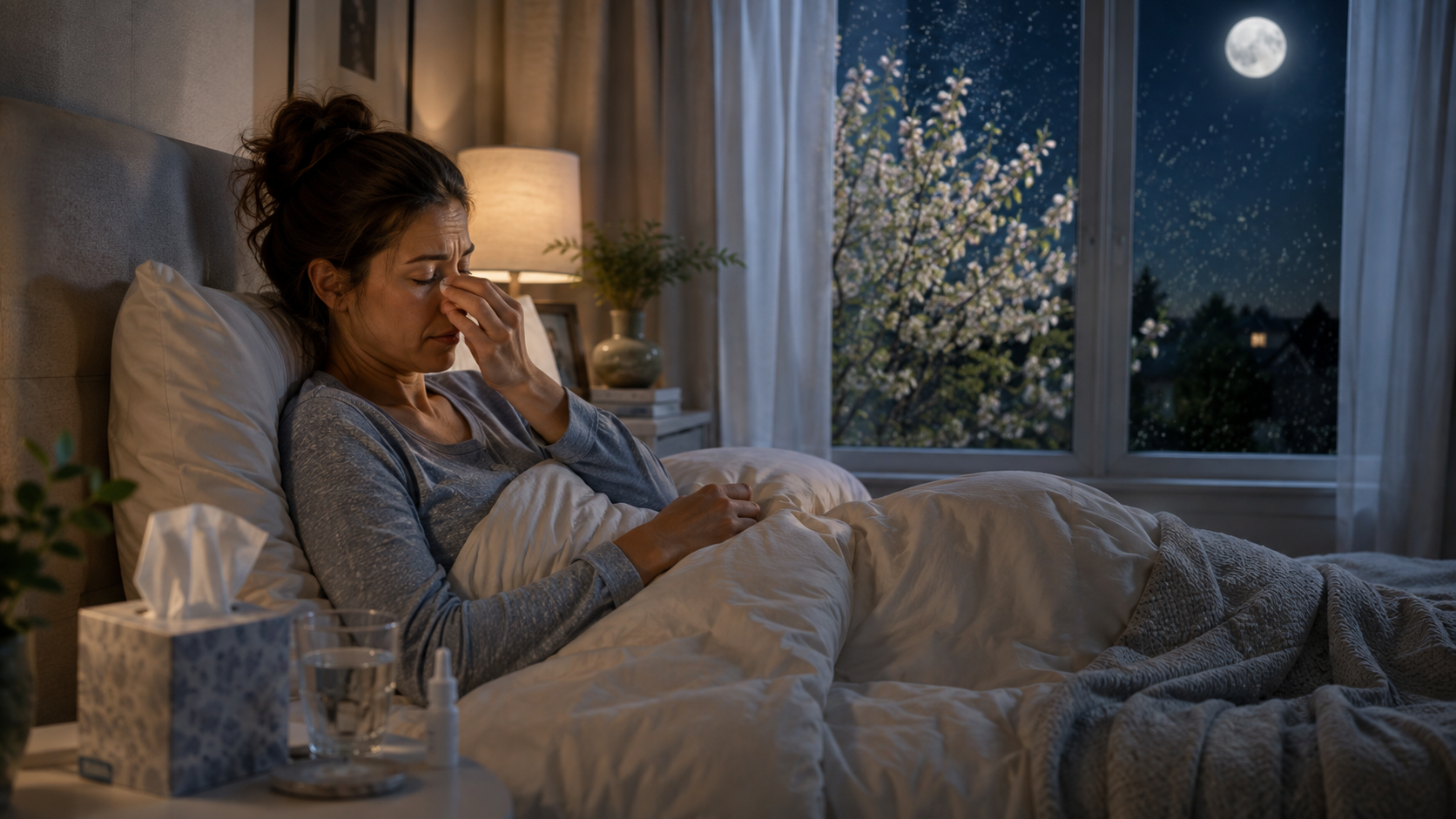
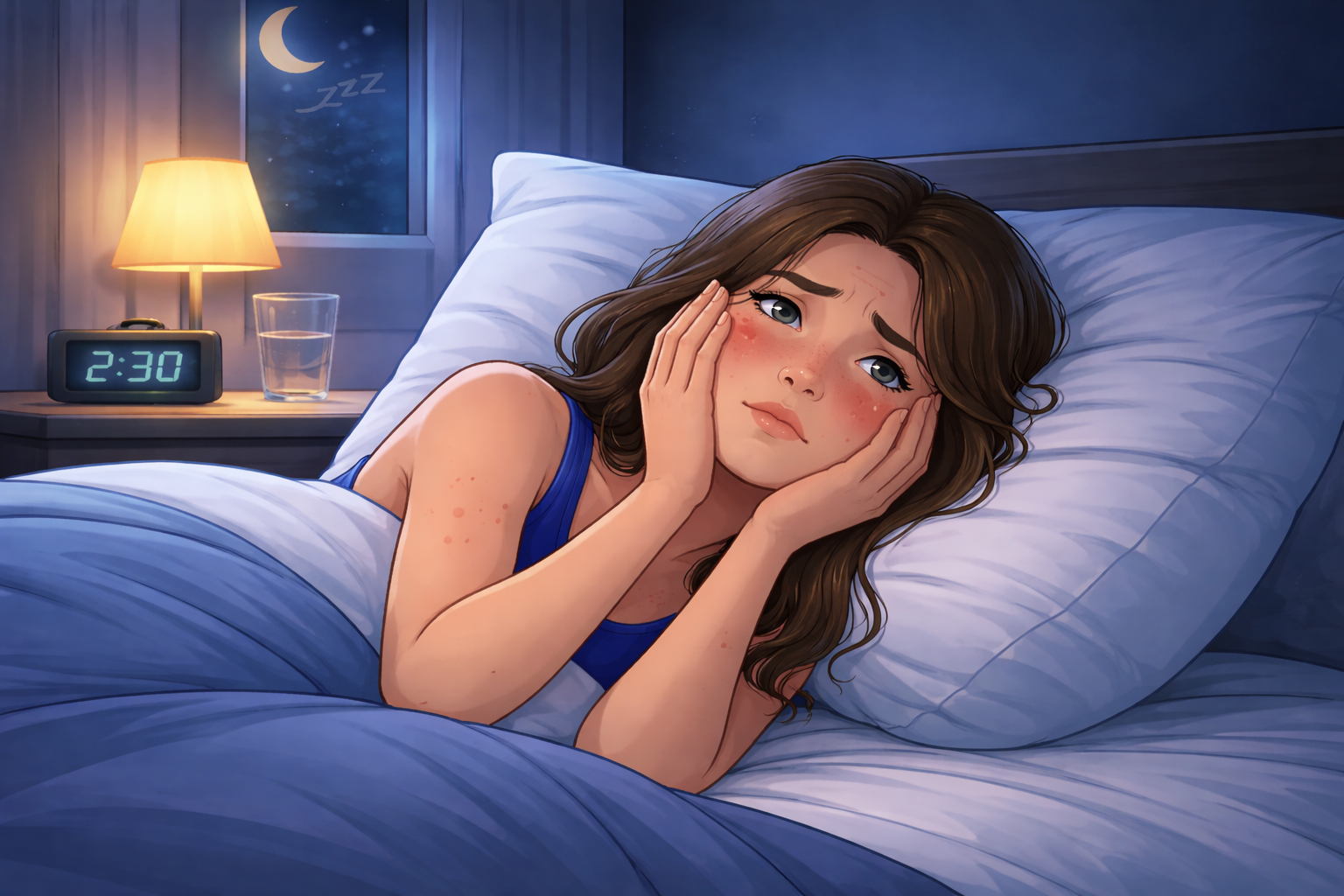
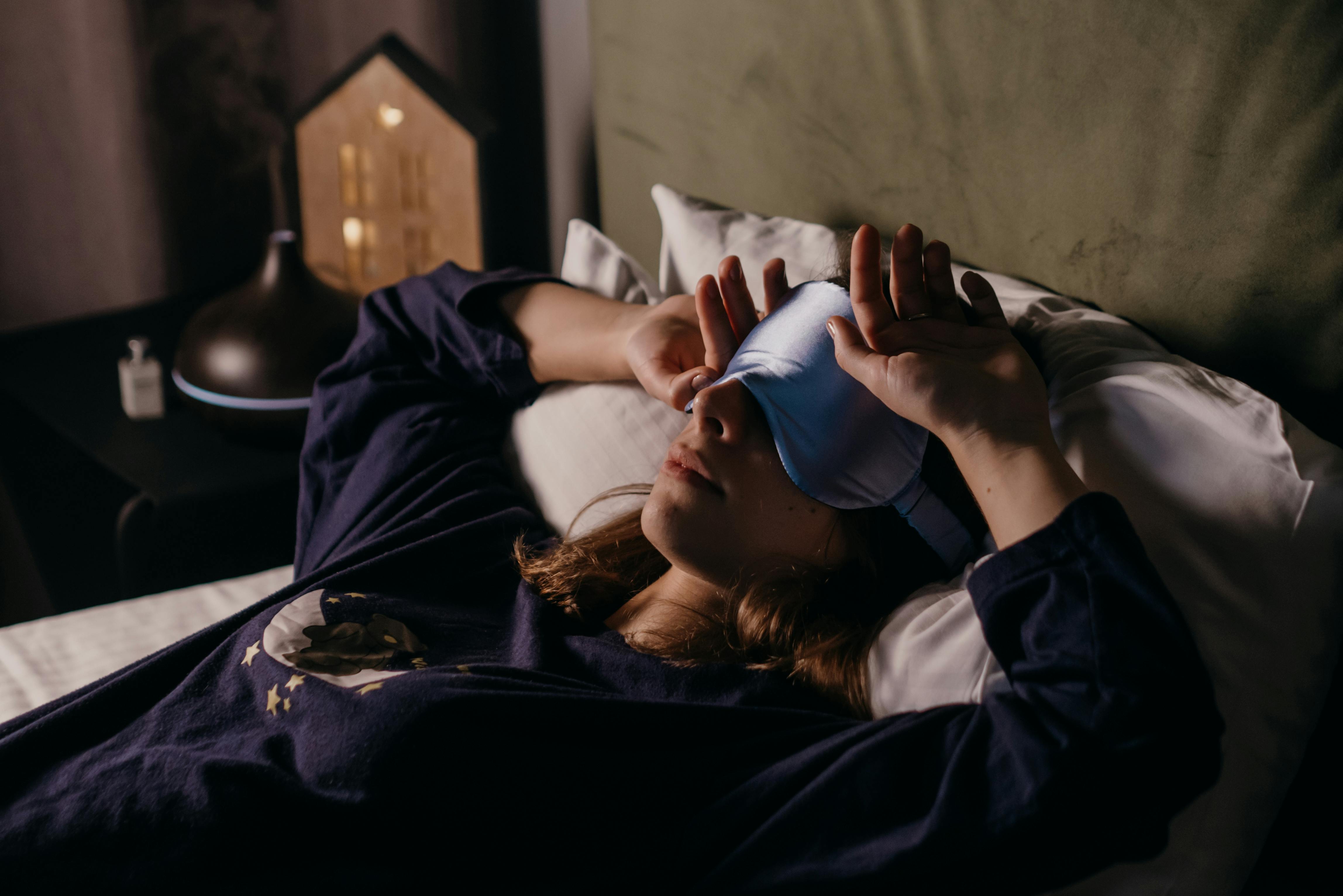
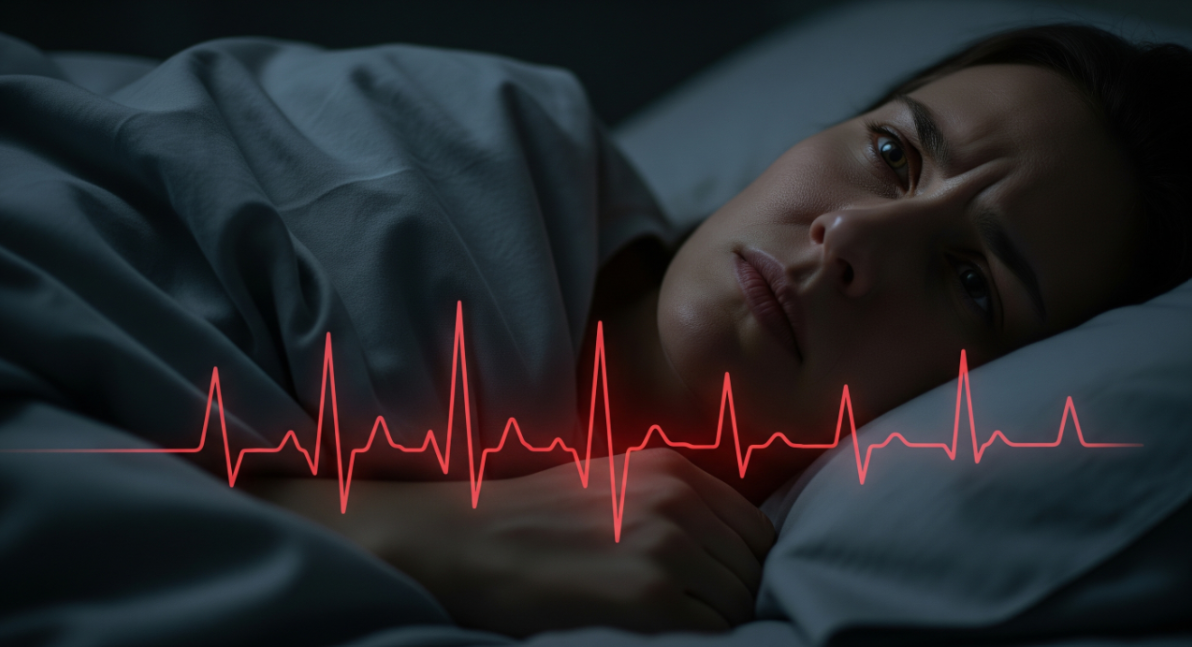
Sleep’s relationship with rosacea appears to be bidirectional. Sleep quality can impact the severity of rosacea in patients, and rosacea can interfere with getting good quality sleep. In a study on the relationship between rosacea and sleep, researchers found that participants who have rosacea had poorer sleep quality, as measured by the Pittsburgh Sleep Quality Index (PSQI), than healthy control participants.[7] As participants deal with the symptoms of their condition, it may cause stress, anxiety, and restlessness, which reduces their sleep quality. The severity of rosacea was associated with worsened sleep quality.[7, 8] In the same study, researchers looked at mouse models to further explore the mechanism by which sleep deprivation may be related to rosacea. They found that sleep deprivation can increase the pathology of rosacea (e.g., inflammation and vascular dysregulation) by elevating inflammatory and vascular markers.[7] Therefore, rosacea can cause patients an ongoing cycle of poor sleep and worsening severity.
There have also been hypotheses on how rosacea can be linked to obstructive sleep apnea through common comorbidities. In a recent clinical commentary, the authors propose that rosacea and obstructive sleep apnea might be connected through metabolic syndrome since both conditions are associated with disruptions of metabolic processes.[9] However, literature is limited in this relationship, and more research is needed to establish more evidence.
Conclusion
Bidirectional relationships tend to be a theme when it comes to sleep and body disorders, and disorders of the skin are no exception. Ensuring that we get enough high-quality sleep each night is one way that we can prevent these bidirectional relationships from occurring.
While we may not understand rosacea and its relationship with sleep fully, one thing is for certain: inflammation, bumps, and irritation, all key indicators of rosacea, are closely tied to sleep quality. Poor sleep can increase inflammatory response, disrupt the skin barrier, and increase sensitivity to other environmental rosacea triggers, leading to more difficulty managing the condition and flare-ups. A supportive sleep environment, stress management tools, and enough sleep opportunities each night remain some of the most effective ways to help reduce and manage flare-ups, promoting healthier appearing skin.
If you are worried that your sleep may be getting in the way of the skin you dream about, we encourage you to speak with a professional. The team at Empower Sleep can help you not only master your sleep but also help you maximize your overall health.


.png)
.png)