Reviewed by Sahil Chopra, MD, and Stacey Gunn, MD.
Research by Savit Malhotra and Quynh Theresa Do.
This week, we’ll be taking a quick break from our skin and sleep series to focus on the importance of an annual health check-up for your sleep health. With the New Year, we want all of our readers to be happy and healthy, and this starts with high-quality sleep.
Introduction
As the new year comes around the corner, one thing that may be on the minds of many includes resolutions and ways to improve oneself. With focus on fitness goals, career ambitions, or personal improvements, it is easy to overlook an important aspect of well-being, your sleep health. The start of the new year offers an opportunity to assess your overall health, and an annual check-up should be at the top of your list. This blog will dive into why prioritizing annual health checks, especially for your sleep, is a vital resolution you can make for a healthier year. We will also break down the warning signs for sleep and contrast traditional approaches with our approaches here at Empower Sleep.
What is an Annual Check Up?
An annual check-up, also known as a physical or wellness exam, is a recommended preventative visit with your healthcare provider. At this exam, providers will have the chance to discuss with you about any concerns that you may have regarding your overall health. This may include checking for lifestyle factors, personal history (body mass index [BMI]), family medical history, and vital signs (blood pressure, heart rate, respiration rate, and temperature) that you noticed previously. The doctor may also conduct a heart exam, lung exam, head and neck exam, and an abdominal exam as well.[1] The goal is to catch any concerns early and prevent them from worsening. During the visit, your doctor will also recommend any age- or risk-appropriate screening, such as blood tests, vaccinations, and cancer screenings. This visit can allow space to discuss your sleep health, which is important for overall well-being.
Warning Signs for Sleep
There are several signs from an annual check-up that should warrant getting a sleep study. Some indicators may suggest the presence of an undiagnosed sleep disorder, most commonly Obstructive Sleep Apnea (OSA). A comprehensive annual check-up is an opportunity to screen for these potential sleep issues. Additionally, some symptoms that you observe on your own that could make you worry about your sleep health might include persistent daytime fatigue despite seemingly adequate sleep, difficulty falling or staying asleep, frequent snoring, restless legs, or waking up feeling unrestful. These self-observed signs should be discussed with your doctor, either during the annual check-up or, if you observe them later, during a follow-up appointment.
One screening tool used in a clinical setting for OSA is the STOP-BANG questionnaire. It assesses your risk of having moderate to severe OSA. The STOP-BANG questionnaire stands for Snoring, Tired, Observed, Pressure, BMI, Age, Neck size, and Gender. To elaborate on each letter (summarized from the STOP-BANG website):[2]
- Snoring - do you snore loudly?
- Tired - do you often feel tired, fatigued, or sleepy during the day?
- Observed - has anyone observed you stop breathing and/or choking/gasping during sleep?
- Pressure - do you have or are you being treated for high blood pressure?
- Body mass index - do you have a BMI over 35 kg/m2?
- Age - are you older than 50?
- Neck size - is your shirt collar 16 inches / 40 cm or larger?
- Gender - are you a male?
If you answer yes to any of the above questions, you may have a higher risk of having moderate or severe OSA. Generally, a STOP-Bang score of 2 or less is considered low risk, while a STOP-Bang score of 5 or more is high risk.[3] For a STOP-Bang score of 3 or 4, it is recommended that your provider perform follow-up assessments to determine your likelihood of having moderate or severe OSA.[3]

Traditional Sleep Study Process
In a typical healthcare setting, if a patient wants to have a sleep study, they first need to be referred by their primary care physician to a sleep lab/sleep doctor. The lab will schedule a time with the patient (depending on the lab, this can take several weeks or even months) for them to come and have this study done. Once the day of the sleep study arrives, several electrodes are placed across the patient that monitor their brain waves, heart rate, respiratory rate, etc. This is formally known as a polysomnogram. The patient remains in the lab overnight while the polysomnogram records the necessary parameters. Home sleep tests can also be performed, typically for one night. This type of home test is often designed specifically to rule in sleep apnea when there is high suspicion for it. For patients with more complex problems, an in-lab study may be necessary. The entire treatment plan for that patient is based on whatever happened to be occurring on that single night of testing. Follow-up testing is not typically performed.
Empower Sleep Study Process
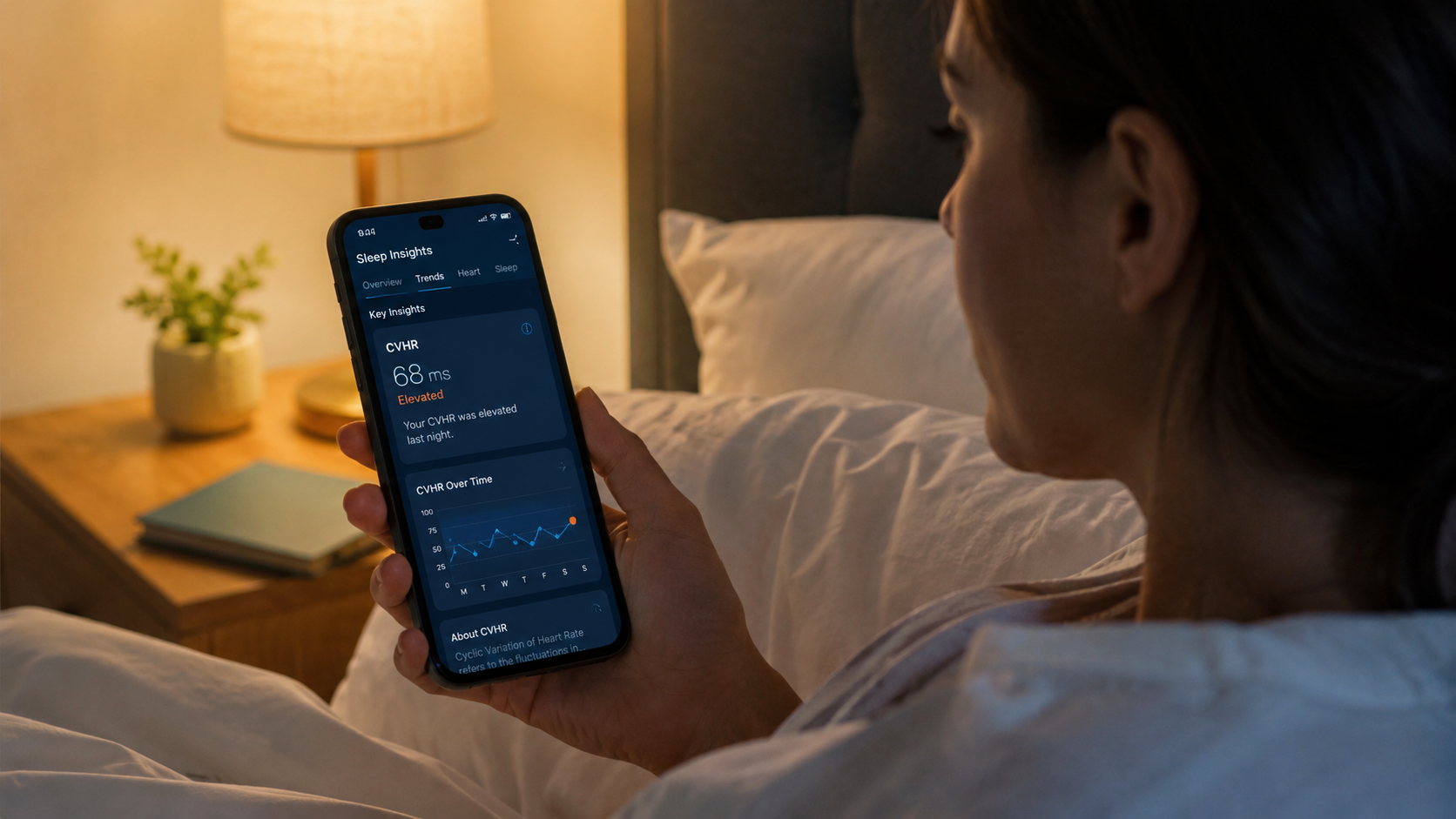
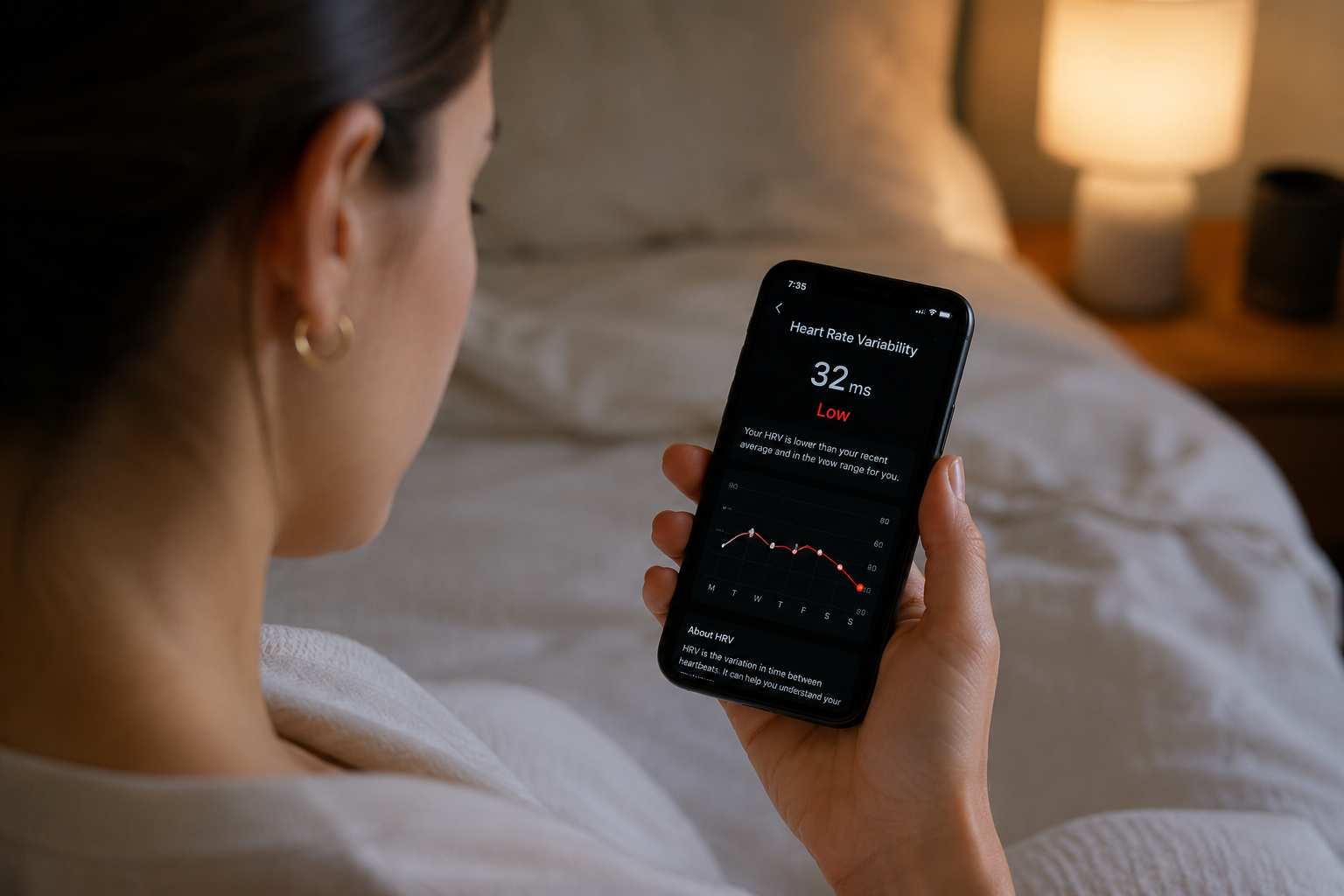
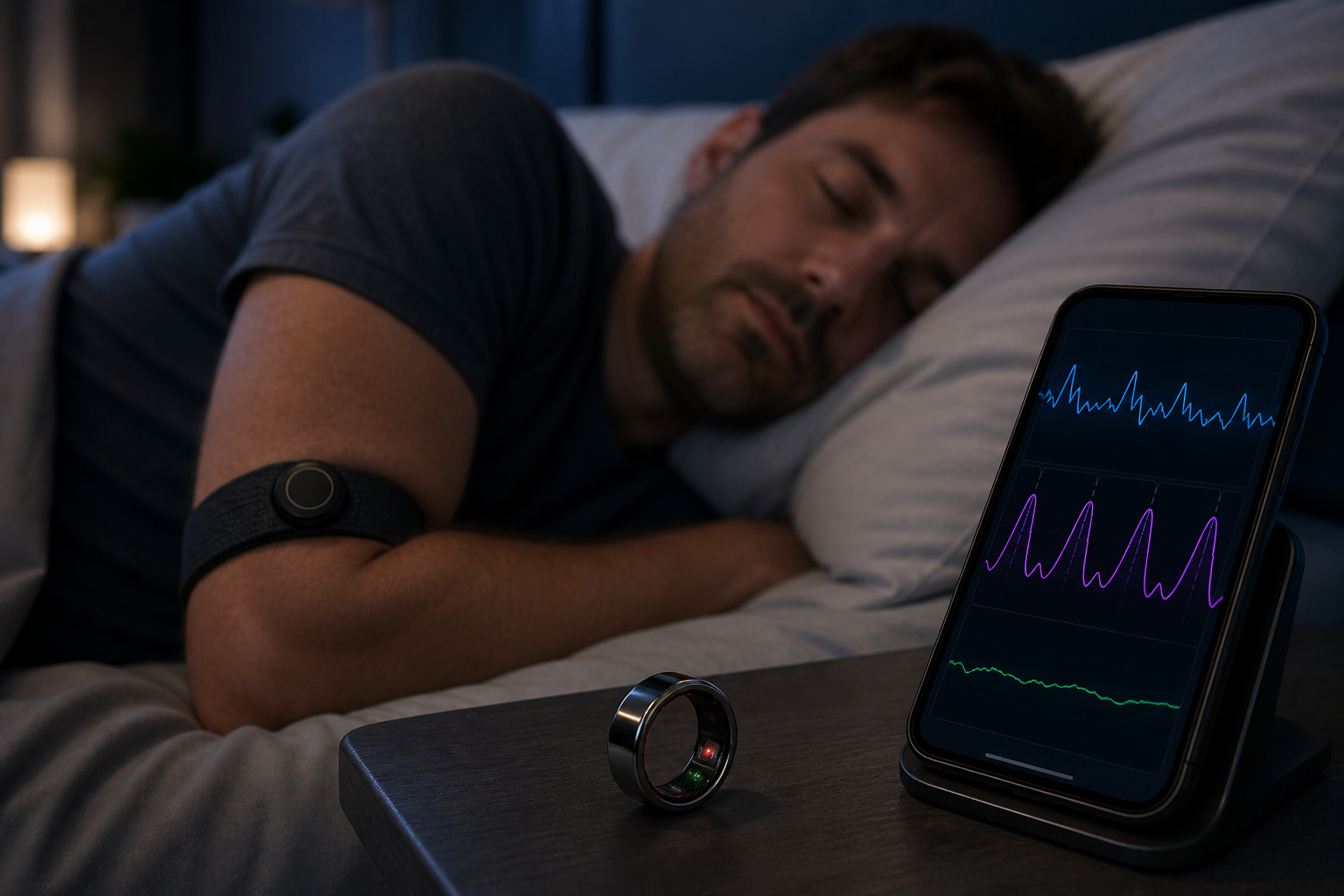
At Empower Sleep, we believe that sleep isn’t something that can be defined by one night alone. Your sleep changes, and no two nights are the same. For this reason, Empower Sleep advocates for longitudinal nightly sleep testing so that we can truly understand you and your sleep and sleep patterns across time. Through the FDA-cleared SleepImage Ring, we are able to accomplish this, all from the comfort of your home. Because of the more detailed metrics and insights that are gathered, we think of this not as just a “sleep apnea test,” but as a multidimensional measure of overall sleep health.
Even after you finish your initial testing, we still continue to monitor your sleep throughout the course of your treatment, which allows us to make sure to optimize and fine-tune your therapy to best protect your health and longevity. It also allows space to trial different interventions and get objective data about how your sleep is impacted.


.png)
.png)