Reviewed by Sahil Chopra, MD.
Research by Savit Malhotra and Quynh Theresa Do.
Introduction
Every year in the United States, over 900,000 Americans die from cardiovascular disease, which is equivalent to 1 in every 3 deaths.[1] In particular, heart disease is the leading cause of death for Americans regardless of sex, race, or ethnicity.[1] While the focus is often on diet, exercise, and genetics, what few people do not understand is the critical role sleep plays in cardiovascular regulation and vice versa. Learning how the various systems in our bodies collaborate during the night is vital to optimal well-being and sleep. Beyond a period of rest, sleep is an active state of physiological regulation where the heart, brain, and nervous system work together to prepare the body for the next day. In this blog, we will review a key metric called Heart Rate Variability (HRV). We will understand the science behind HRV and how it relates to sleep.
What is Heart Rate Variability (HRV)?
To understand heart rate variability (HRV), we will first need to understand the heart overall. Our heart, often described as a consistent pump, beats at a specific heart rate. This heart rate is the number of times the heart contracts per minute (also known as beats per minute or BPM). The heart rate measured is an average. For example, a resting heart rate of 60 BPM suggests that the heart beats approximately once every second. A normal resting heart rate for most adults is 60 to 100 BPM.[2]
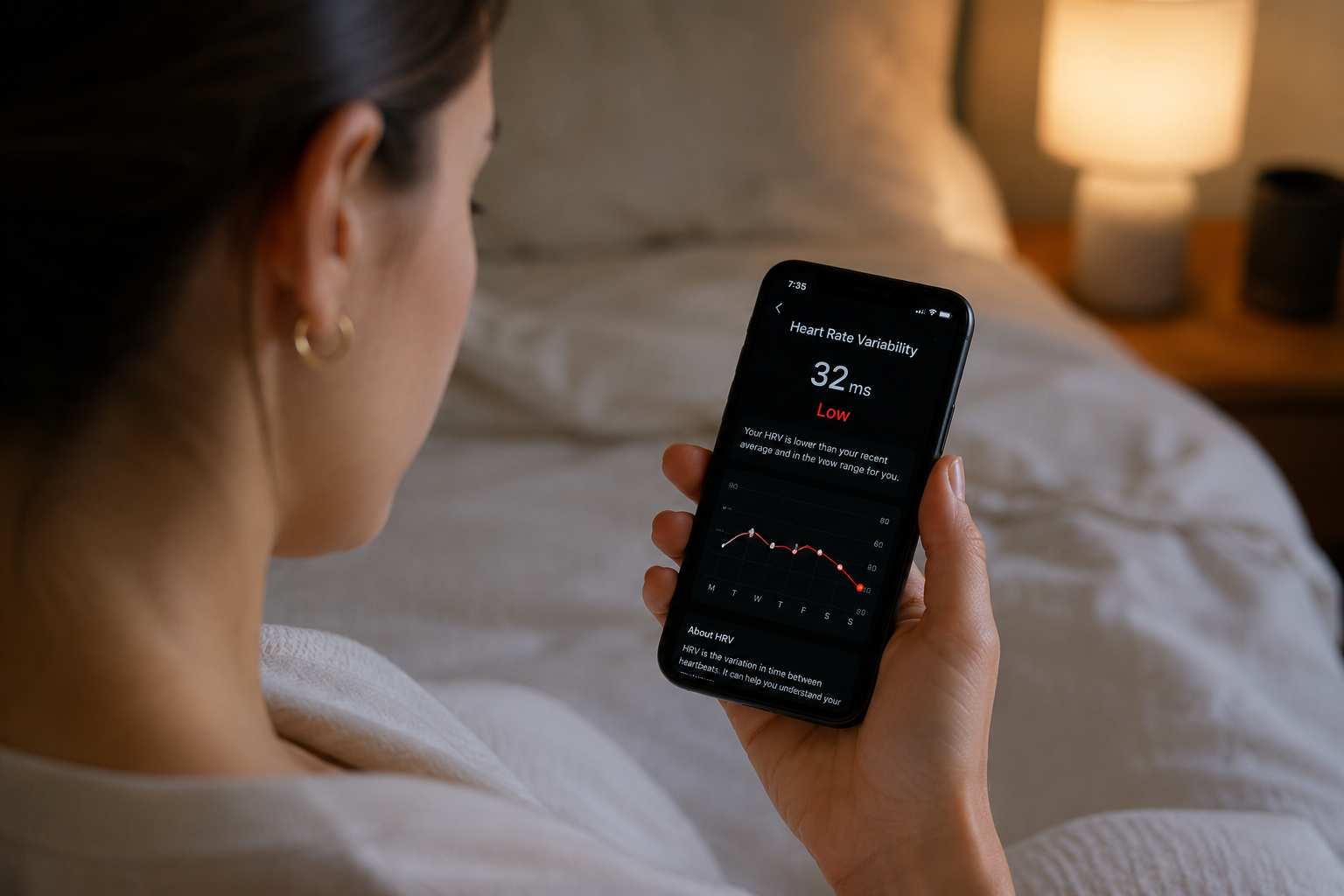
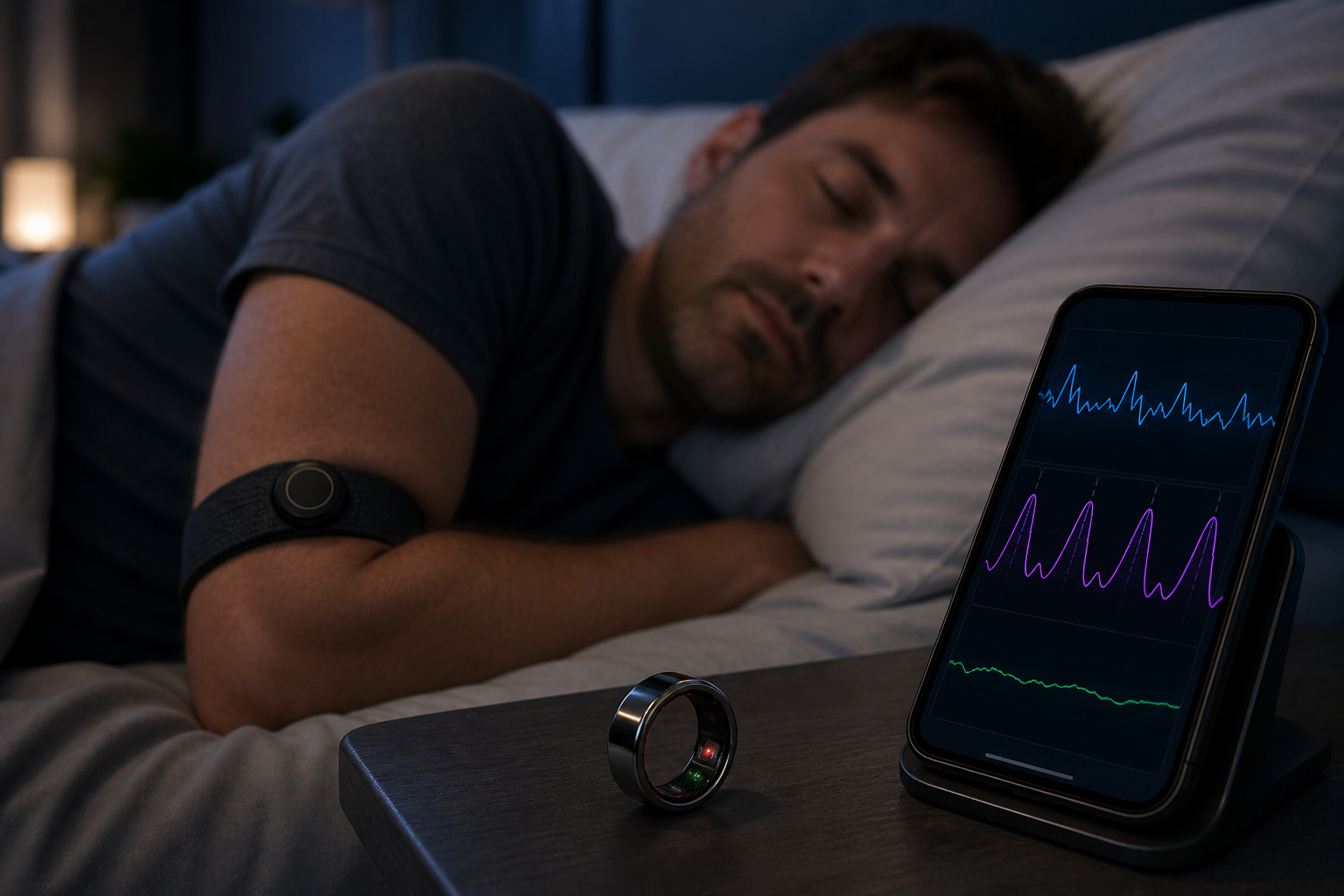
However, in reality, our heart rate is much more complicated than just one number and can change frequently depending on our moods and state. Heart Rate Variability (HRV) is the measurement of the variation in time intervals between consecutive heartbeats.[3] These fluctuations are different from arrhythmias or irregular heart beats.[4] HRV is typically measured by an electrocardiogram machine (also called an EKG) in a clinical setting or wearable devices outside of a medical setting. It is important to note that many wrist-worn devices are not as accurate as they track your heart rate through your skin.[3]
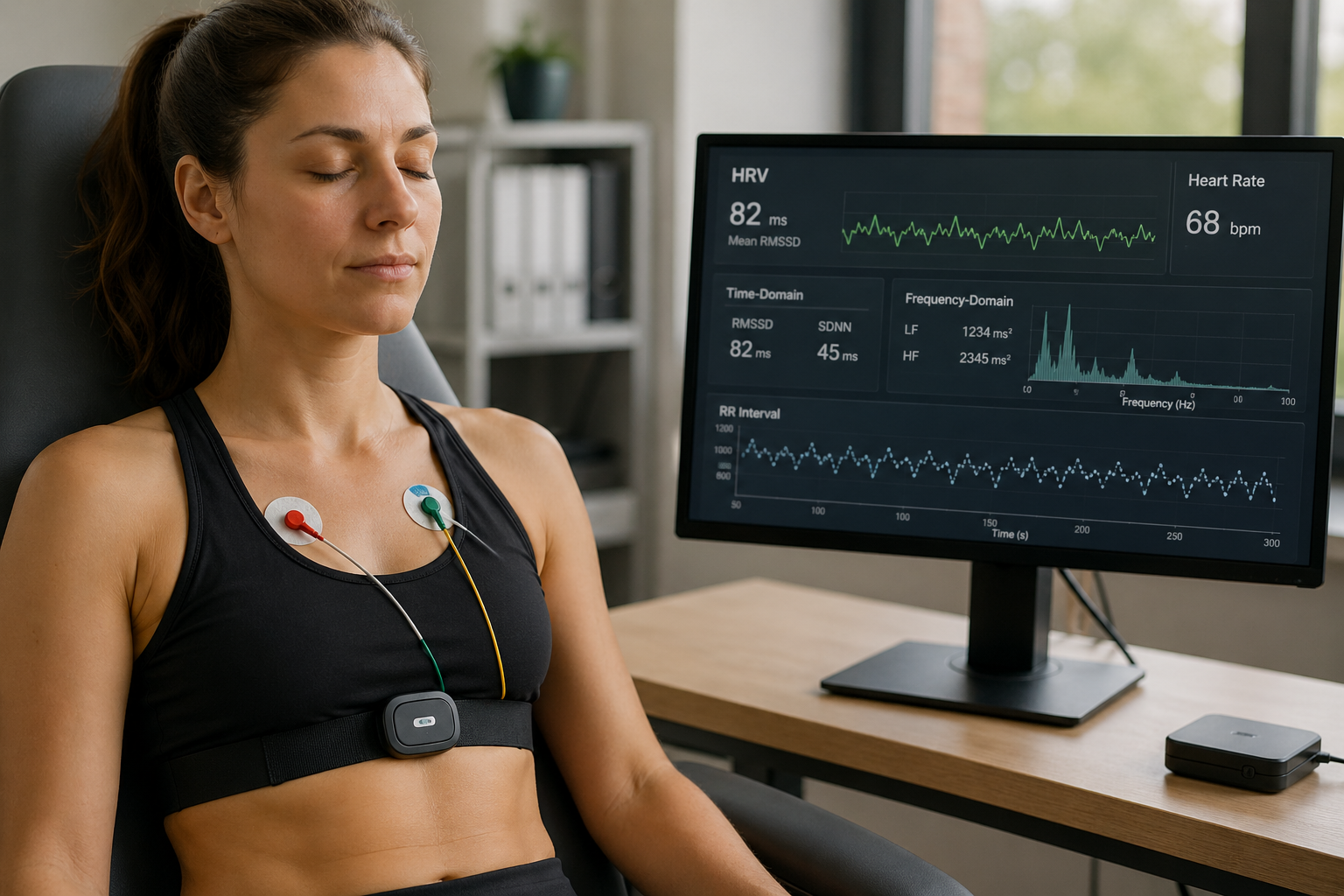
Fluctuations measured as HRV are controlled by our body’s autonomic nervous system (ANS). The ANS is our body’s unconscious control center that helps keep our body at an equilibrium. Two primary branches of the ANS that balance HRV are the sympathetic nervous system and the parasympathetic nervous system. The sympathetic nervous system is also known as our “Fight or Flight” response. It is activated during periods of stress, exercise, or excitement and releases hormones like adrenaline.[3] Adrenaline, for instance, speeds up the heart rate, increases blood pressure, and decrease HRV (e.g., making the heart rhythm more rigid).[5] On the other hand, the parasympathetic nervous system is also known as our “Rest and Digest” response. It is activated during periods of rest, relaxation, and recovery. The parasympathetic nervous system works to slow the heart rate and increase HRV (e.g., allowing greater fluctuation in the time between beats). HRV can be a window to seeing the balance and functionality of our nervous system. A higher HRV often indicates better recovery and physiological readiness. Conversely, a lower HRV can indicate a sign of stress, overtraining, inadequate sleep, or potential illness. It is worth noting that HRV is influenced by many factors, including age, sex, medications, caffeine, and hydration, so a single low reading should not be over-interpreted.[3,6]
How does HRV connect to sleep?
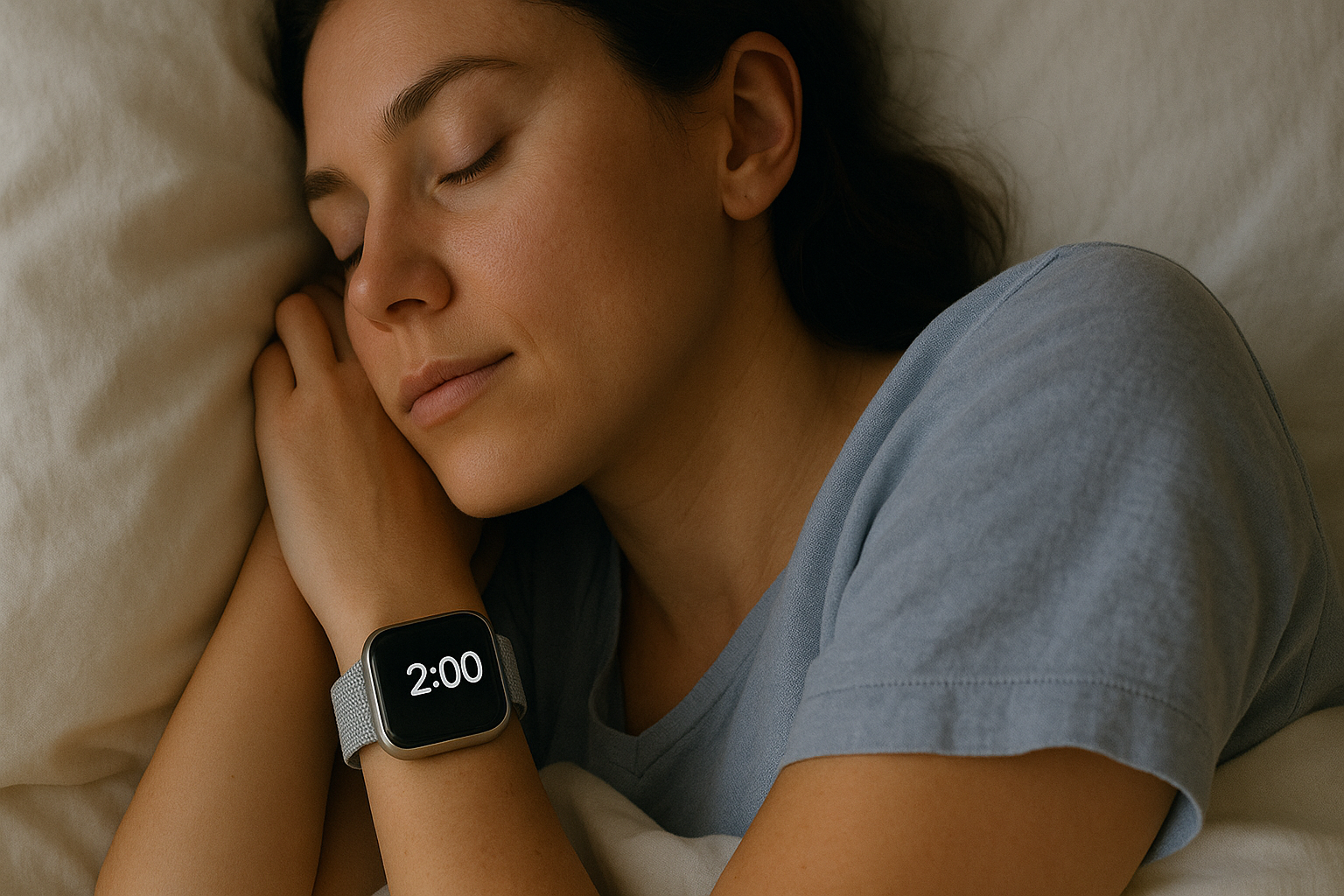
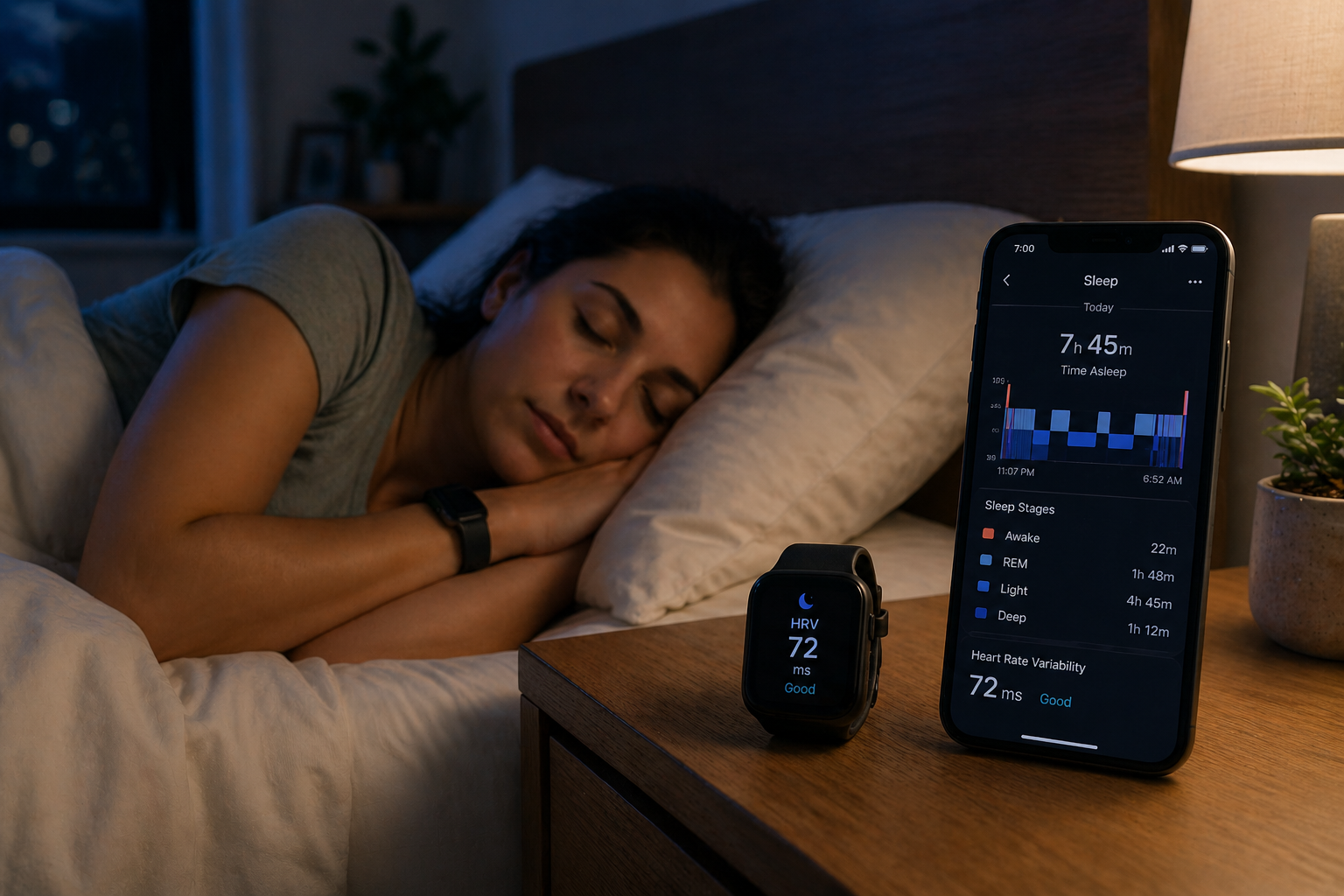
The relationship between HRV and sleep reflects the complex connection between sleep architecture and the autonomic nervous system. During healthy sleep, particularly non-rapid eye movement (NREM) sleep, the parasympathetic nervous system (which controls the body’s rest and digest functions) predominates.[7] As a result of this, the heart is able to vary more naturally between beats. The cardiovascular system is more stable, therefore meaning that HRV is higher during NREM sleep.[8] Higher HRV reflects a flexible, well-regulated cardiovascular system, indicating reduced physiological stress and a restorative state essential for recovery. However, during rapid eye movement (REM) sleep, the autonomic nervous system is more variable, leading to sympathetic surges. Characteristically, REM sleep is defined by its high, unstable sympathetic nervous system activity that can lead to surges in heart rate and blood pressure.[9] Because of these surges in autonomic activity, overall heart rate tends to sit much higher during REM sleep, which contributes to less HRV during this stage of the night.[10]
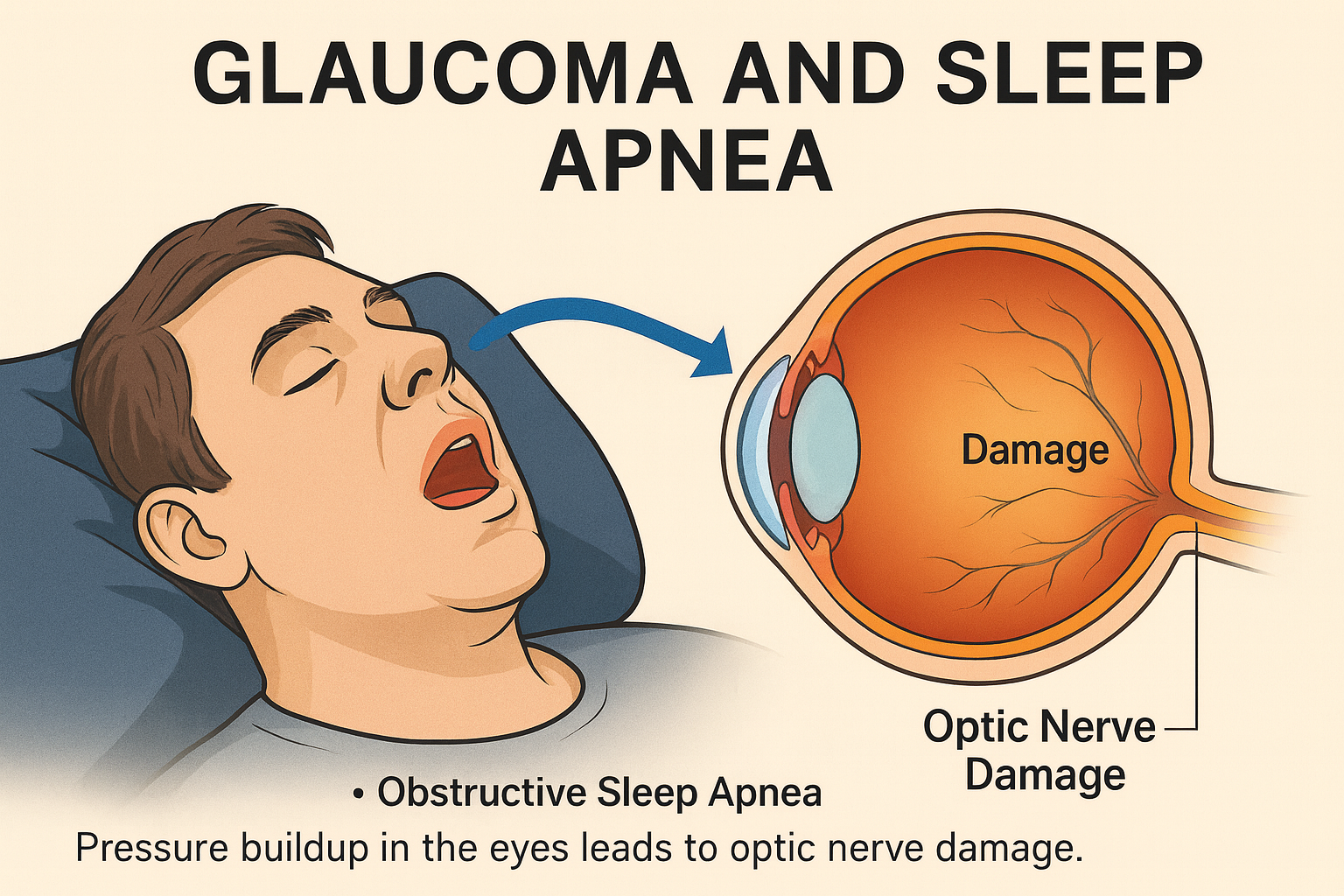
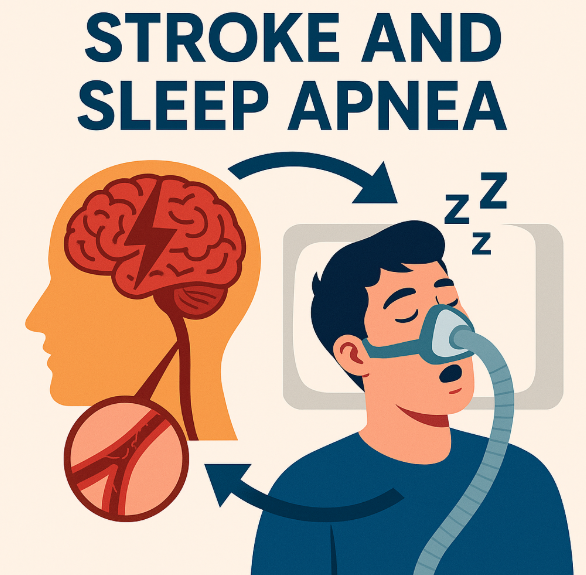
Aside from sleep stages, sleep quality and continuity play a critical role in shaping HRV patterns. During fragmented sleep or insufficient length of sleep, HRV tends to be reduced.[11] During fragmented sleep, the body is unable to enter its restorative stages and ongoing physiological stress and parasympathetic activity contribute to low HRV. Furthermore, low HRV and diminished daytime autonomic flexibility have been linked to short sleep durations and certain sleep conditions like insomnia or obstructive sleep apnea (which we will discuss more in a future article). As a quick overview, obstructive sleep apnea leads to repeated arousals and intermittent hypoxia, which drives chronic sympathetic activation and decreased HRV.[12] Combined, these effects can greatly increase the risk of cardiovascular disease as a whole. Even in otherwise healthy individuals, sleep deprivation has been shown to impair nocturnal autonomic regulation and reduce next-day HRV.[8] However, once sleep duration and efficiency were improved, HRV improved, showing the effects that healthy sleep has on HRV and that the damage done by poor sleep duration of rest can be undone with a consistent sleep schedule.
Conclusion
In today's world, it seems as though many people (especially those who try to remain active) have started paying close attention to their HRV. Many health trackers across the market focus on this as a key biological marker of overall fitness. However, without proper rest and recovery, even the most well-constructed workout program aimed at improving HRV can become useless. Over the next few weeks, we will continue to explore the concept of HRV and understand the connection it shares with sleep. We will continue to dive deeper into the nuances of HRV so that we can better understand how to increase it by capitalizing on good sleep habits. If you are worried that your sleep may be impacting your HRV, we would encourage you to see a medical professional so that they can give you a proper assessment. The team here at Empower Sleep is always ready to help you!


.png)
.png)