Reviewed by Sahil Chopra, MD.
Research by Savit Malhotra and Quynh Theresa Do.
Introduction
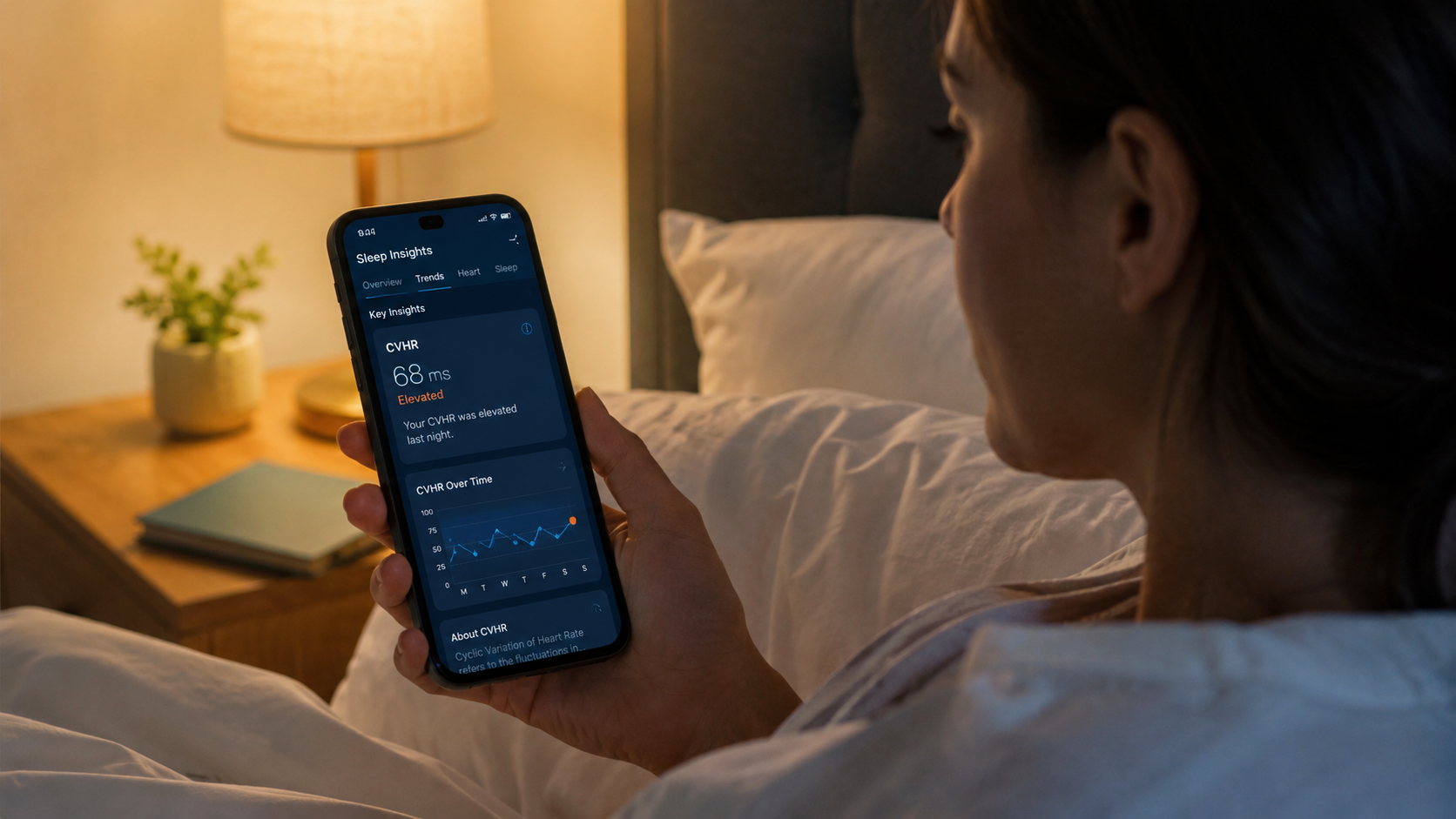
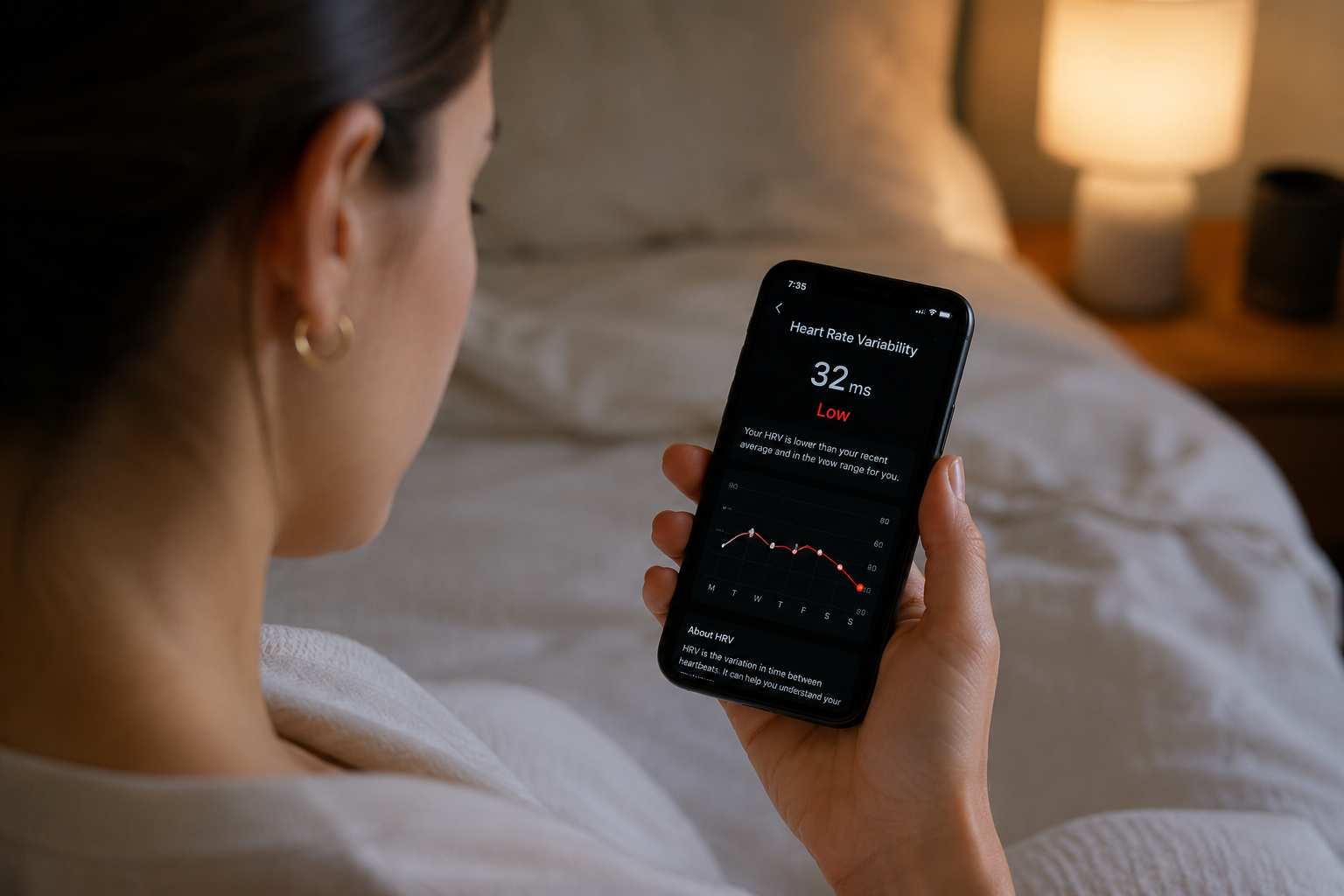
So far in our Heart Rate Variability (HRV) series, we have learned about the basics of HRV and how it compares to cyclic variation of heart rate (CVHR). We also learned about HRV biofeedback and how it is used clinically. For this week, we are going to elaborate on how HRV biofeedback can be further used in your own sleep journey. We will delve into what HRV biofeedback does for the body physiologically and how it works on a deeper level. Furthermore, there are three primary approaches to implementing this practice: optimal resonance frequency (RF) breathing, individual RF breathing, and preset-pace breathing. We will discuss each of these techniques in further detail and compare them with each other. Understanding the various methods of HRV biofeedback can allow clinicians and patients to utilize this tool to tackle any sleep-related disorders relating to HRV.
What HRV Biofeedback Actually Does
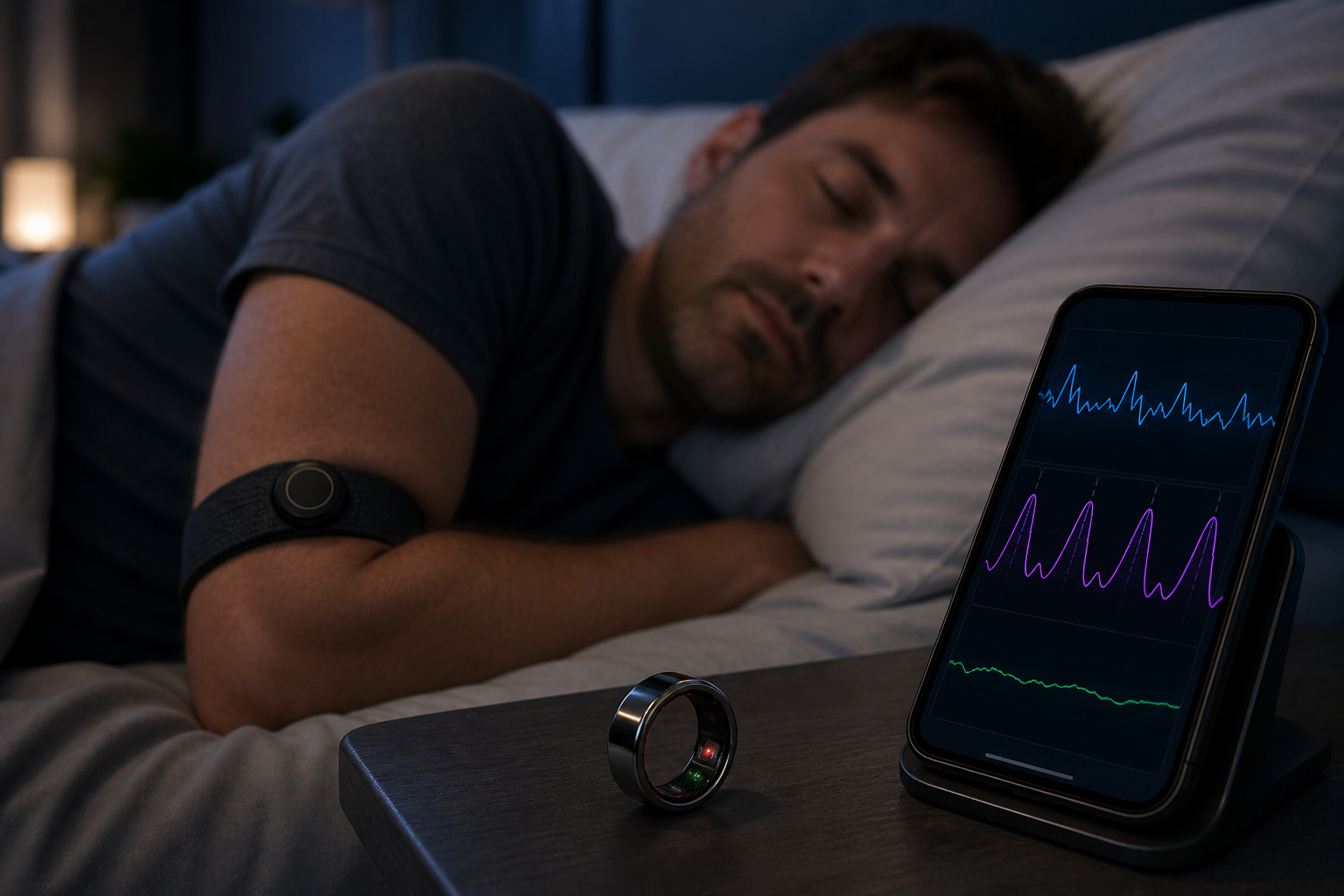
HRV biofeedback is a training method that aims to teach people to deliberately influence their autonomic nervous system by using real-time feedback from their heart rhythm.[2] Typically, this involves slow, paced breathing near a person’s “resonance frequency” (for more information, we encourage you to visit our last article that discusses this in greater detail). While breathing at this resonance frequency (which is individual and typically falls between about 4.5 and 7 breaths per minute, with 6 breaths per minute being a common approximation), participants are asked to watch a live display of their heart rate variability.[2] In doing so, the heart rate, breathing, and blood pressure rhythms begin to synchronize and produce larger oscillations in HRV, thereby strengthening baroreflex function (which is one of the body's key short-term blood pressure and stress-regulation systems).[1,2]
However, the goal of HRV biofeedback is not to simply raise HRV for its own sake. Instead, HRV biofeedback helps patients practice improving the balance and flexibility of their autonomic nervous system through shifting the body away from chronic sympathetic nervous system (the "fight-or-flight") activation toward more parasympathetic ("rest-and-digest") activity, mediated by the vagus nerve. It has been found that higher vagal activity is associated with better emotional regulation, recovery from stress, and physiological flexibility.[2] In this sense, HRV biofeedback acts like exercise for the autonomic nervous system. By repeating this practice, one may be able to improve their body's ability to adapt to stressors, recover from activation, and maintain more stable cardiovascular and emotional regulation.
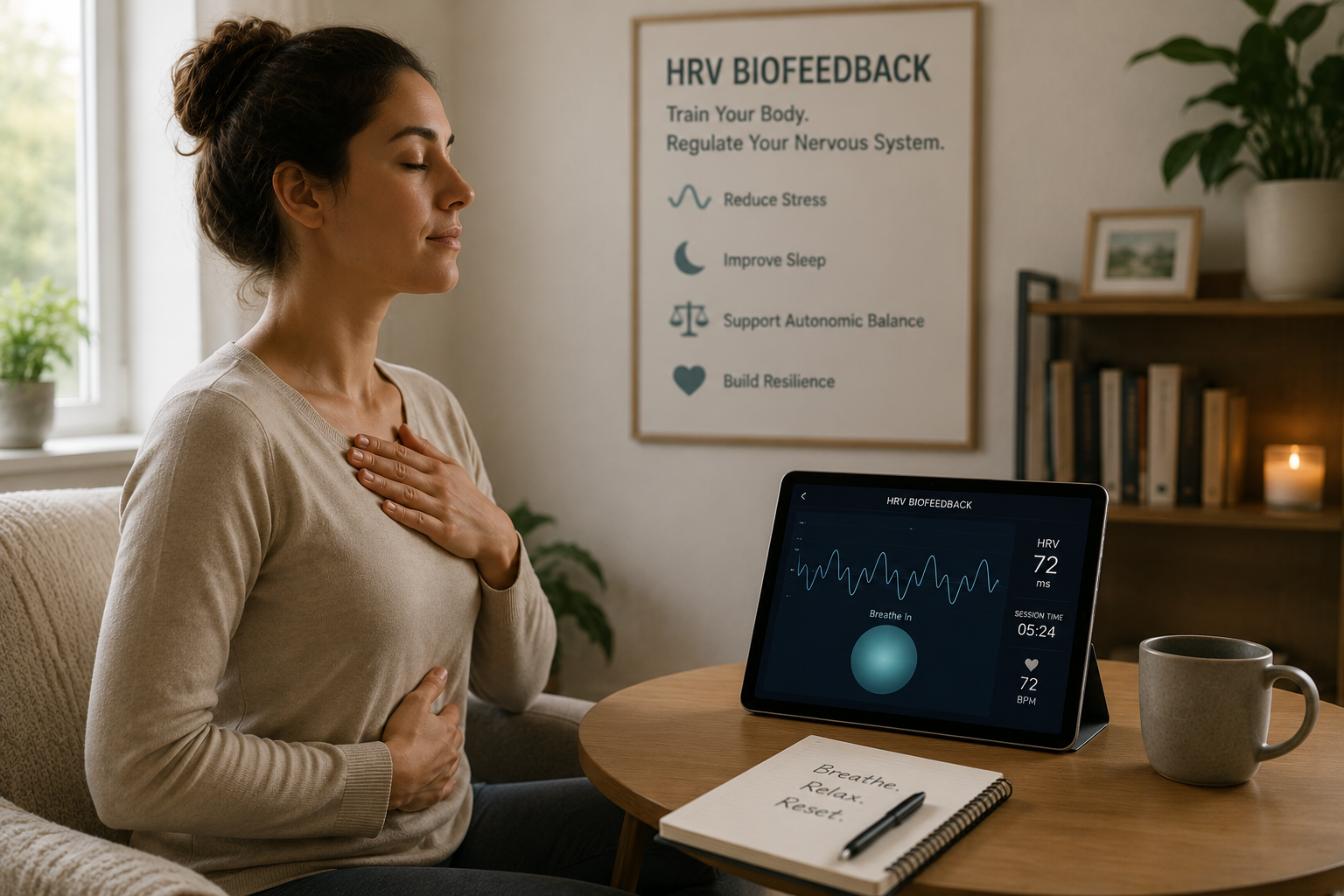
Research has also suggested that HRV biofeedback may be especially useful for conditions where stress physiology and autonomic imbalance play a role. Meta-analyses have found that HRV biofeedback is associated with reductions in stress and anxiety symptoms, while other research has explored how HRV biofeedback may have a role in mood, sleep, blood pressure, and performance-related outcomes.[3,4] Still, HRV biofeedback should be viewed as a supportive care tool rather than a standalone cure. When integrated with other information (such as sleep health), its value can add to the care that patients receive. With all of this information, patients may gain a more concrete and measurable way to practice self-regulation and incorporate breathing, relaxation, and autonomic awareness into daily care.
Different Approaches to HRV Biofeedback
While biofeedback therapy generally encompasses various techniques to gain awareness of our involuntary functions, the primary approach in HRV biofeedback is optimal resonance frequency (RF) breathing. To recap from our last article, optimal RF breathing trains individuals to use paced breathing and real-time physiological feedback that revolves around the person's specific resonance frequency. This number typically falls between about 4.5 and 7 breaths per minute, though the classic testing protocol evaluates rates from 4.5 to 6.5 breaths per minute.[5] To determine one's optimal RF, this involves using a heart rate monitor (e.g., an electrocardiogram or photoplethysmography) to track HRV while testing various breathing rates.[6] The rate at which results in the highest HRV is determined by the person’s resonant frequency. Once identified, the individual practices breathing at this personalized rate during training sessions and eventually during daily life. The goal is to strengthen autonomic flexibility, improve baroreflex functioning, and promote a more balanced interaction between the sympathetic and parasympathetic nervous systems.
Other techniques have been tested for HRV biofeedback, including individual RF breathing and preset-pace breathing.[1] Whereas optimal RF breathing utilizes a previously recorded personal RF, the individual RF breathing technique relies on real-time cardiovascular data from a biofeedback device to guide the optimal breathing rate during each session. Participants are asked to inhale in a way that increases their heart rate as much as possible, then exhale in a way that decreases their heart rate as much as possible.[1] This approach may allow participants to move forward more quickly, without needing a separate session to find their RF through testing different breathing rates. A limitation of this technique, however, is that it depends on having a biofeedback device, so participants may not be able to practice independently without one.[1]

Lastly, the preset-pace breathing technique involves breathing at a standard rate, usually 6 breaths per minute. This is generally considered a faster, easier, and more economical alternative compared to the other techniques. Compared to the optimal RF breathing technique, however, the standardization of the preset-pace breathing technique may not work for everyone. A preset pace may not match everyone's individual resonance frequency, which can be challenging for beginners, create issues with compliance, and feel less personal.[7] Together, these approaches highlight the balance between personalization and practicality in HRV biofeedback training. While optimal RF breathing remains the most individualized and physiologically targeted method, alternative approaches such as individual RF and preset-pace breathing may improve accessibility and ease of implementation in both clinical and home settings. However, no head-to-head clinical trials directly comparing the three HRV biofeedback protocols have been identified in the literature. As research continues to evolve, understanding the advantages and limitations of each technique may help clinicians and individuals choose the most effective and sustainable HRV biofeedback strategy for their specific needs and goals.
Conclusion
HRV biofeedback can serve as a promising, non-pharmacological tool in sleep medicine, especially for those experiencing heightened stress or autonomic imbalance. However, this is not to say that HRV biofeedback should be the only tool used to assess your sleep health. When combined with additional informational tools, HRV biofeedback becomes even more powerful. And learning the tools to maximize your usage of HRV biofeedback is one way in which you can also maximize your sleep health. If you are curious to learn more, we have a series of articles coming out over the next few weeks to describe this topic in more detail!


.png)
.png)