Reviewed by Sahil Chopra, MD.
Research by Savit Malhotra and Quynh Theresa Do.
Introduction
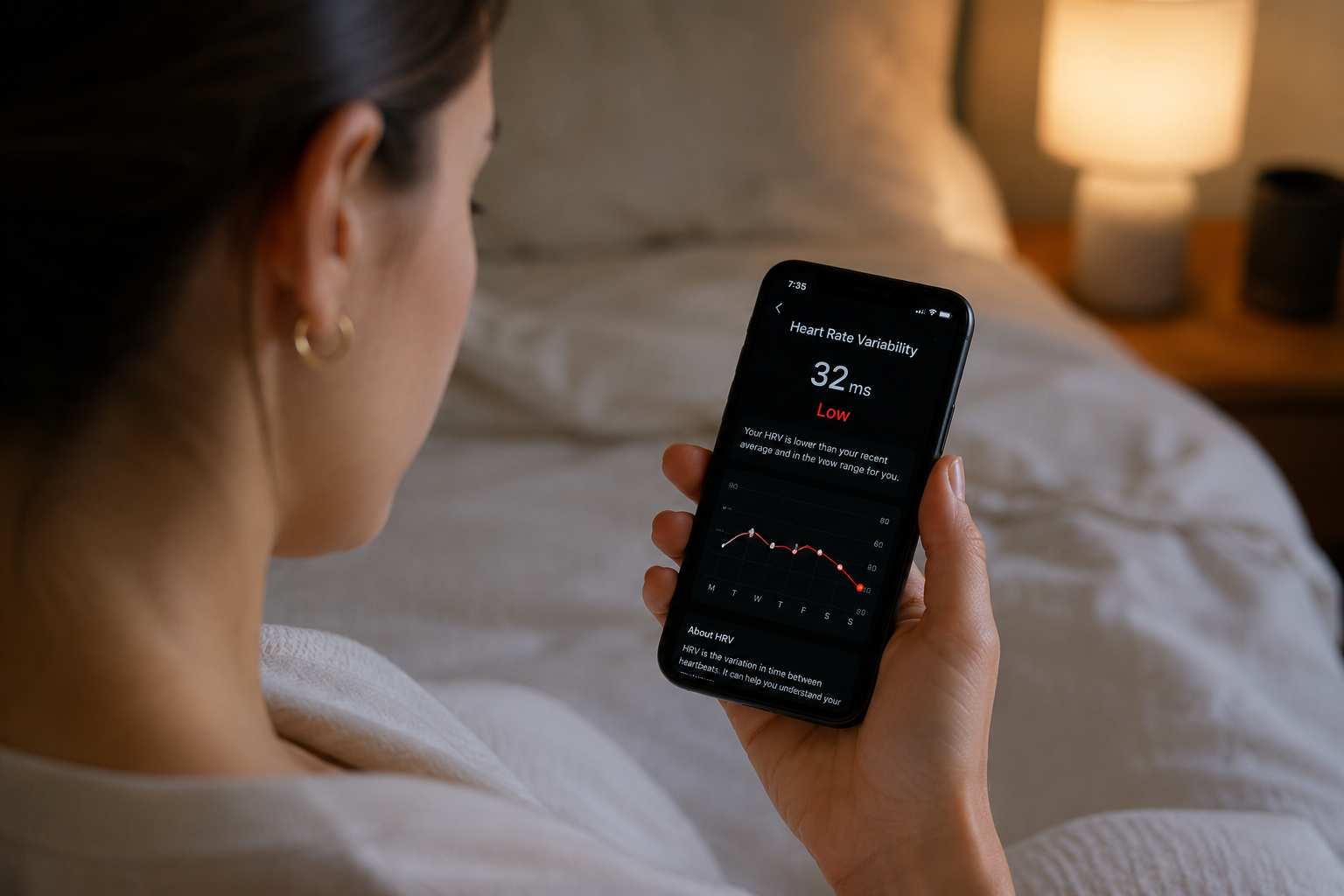
Throughout our Heart Rate Variability (HRV) blog series, we have explored how the heart and sleep are connected. While HRV reflects how the body responds to stress and recovery, other heart-based measurements can provide valuable insights into what happens during sleep itself. In a previous blog post, we introduced one of these measurements, Cyclic Variation of Heart Rate (CVHR), which briefly describes a pattern of heart rate changes that often occurs during episodes of obstructive sleep apnea (OSA). In this blog, we will explore the history and science behind CVHR, how researchers learned to measure it, and why modern wearable devices may help bring this sleep-health marker into everyday life. We will also discuss how CVHR could contribute to future approaches for sleep apnea screening, treatment monitoring, and personalized sleep health assessment.
The History and Science of CVHR Measurement
The connection between heart rate patterns and sleep apnea was first recognized in the late twentieth century as researchers began examining electrocardiogram (ECG) recordings collected during overnight sleep studies. Scientists noticed that many individuals with obstructive sleep apnea exhibited a distinctive repeating pattern, which was the heart rate gradually slowed during an apnea event and then accelerated rapidly when breathing resumed. Because this pattern occurred repeatedly throughout the night in a cyclical fashion, it became known as CVHR. In its classic form, CVHR is described as a repeating cycle of heart rate slowing (bradycardia) followed by a rapid increase in heart rate (tachycardia).[1] However, researchers have since learned that the heart rate response during apnea can vary from person to person. Some individuals show the classic bradycardia-tachycardia pattern, while others may show primarily an increase, a decrease, or little change in heart rate, depending on the balance of their body's autonomic nervous system responses and individual sensitivity to drops in oxygen levels.[2,3]
These heart rate fluctuations are driven primarily by the body's autonomic nervous system.[1] The autonomic nervous system is the part of the nervous system that automatically controls functions like heart rate and blood pressure. During an apnea event, as breathing becomes restricted or temporarily stops, oxygen levels begin to fall. At the same time, the body's sympathetic ("fight or flight") nervous system ramps up activity to the blood vessels. When breathing resumes, the sympathetic surge reaches the heart, creating a rapid acceleration in heart rate. Importantly, early research showed that the bradycardia component of CVHR could be blocked by the drug atropine (which blocks vagal nerve signals), while administering 100% oxygen only moderately blunted the pattern, confirming that CVHR is primarily a nervous system-driven response, not simply a reaction to low oxygen levels alone.[1,4]
One of the earliest major studies describing CVHR in patients with sleep apnea was published in The Lancet in 1984.[1] Further studies demonstrated that the frequency of these cyclic heart rate changes often correlated with the number of breathing disturbances and periodic leg movements occurring during sleep.[5] As a result, CVHR emerged as a potential cardiovascular marker of sleep-disordered breathing and attracted growing interest as a non-invasive method for identifying patients at risk for obstructive sleep apnea. For many years, detecting CVHR required ECG recordings collected during polysomnography, the comprehensive overnight sleep study that remains the gold standard for diagnosing sleep disorders.[6] While highly accurate, polysomnography can be expensive, time-consuming, and less accessible for many individuals. These limitations motivated researchers to explore whether the same physiological patterns could be detected using simpler technologies, paving the way for the wearable-device innovations that are transforming CVHR monitoring today.
CVHR in the Digital Age
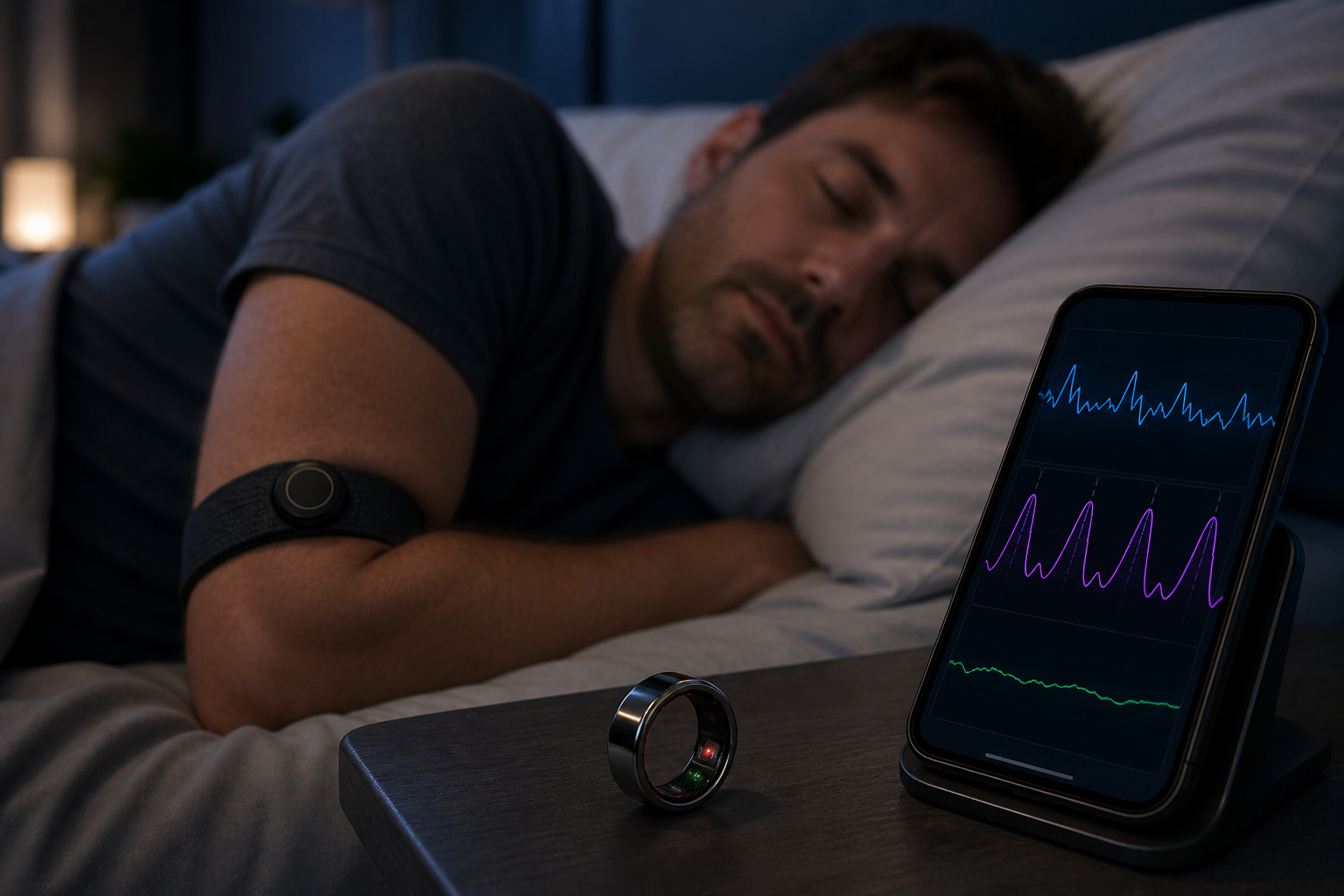
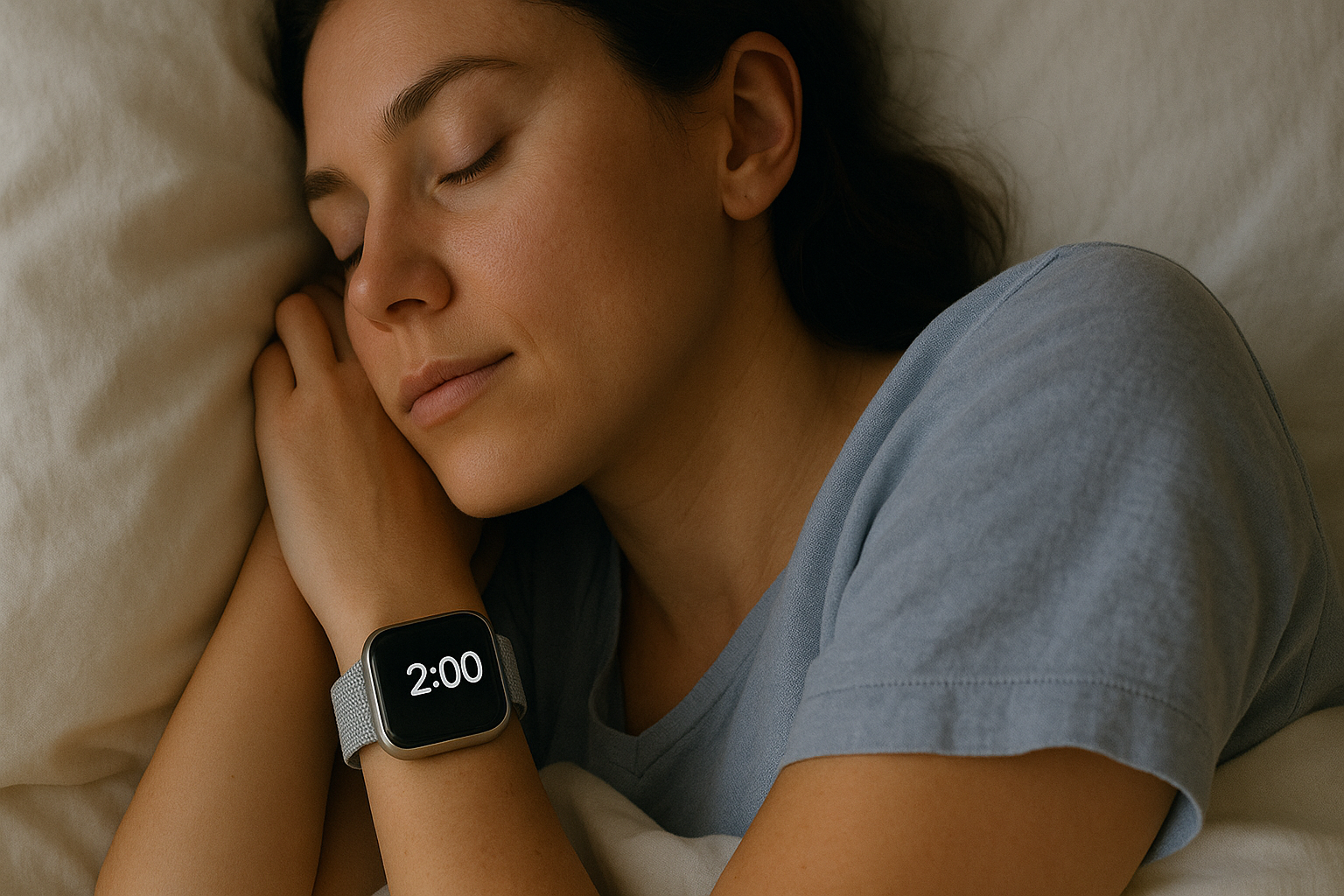
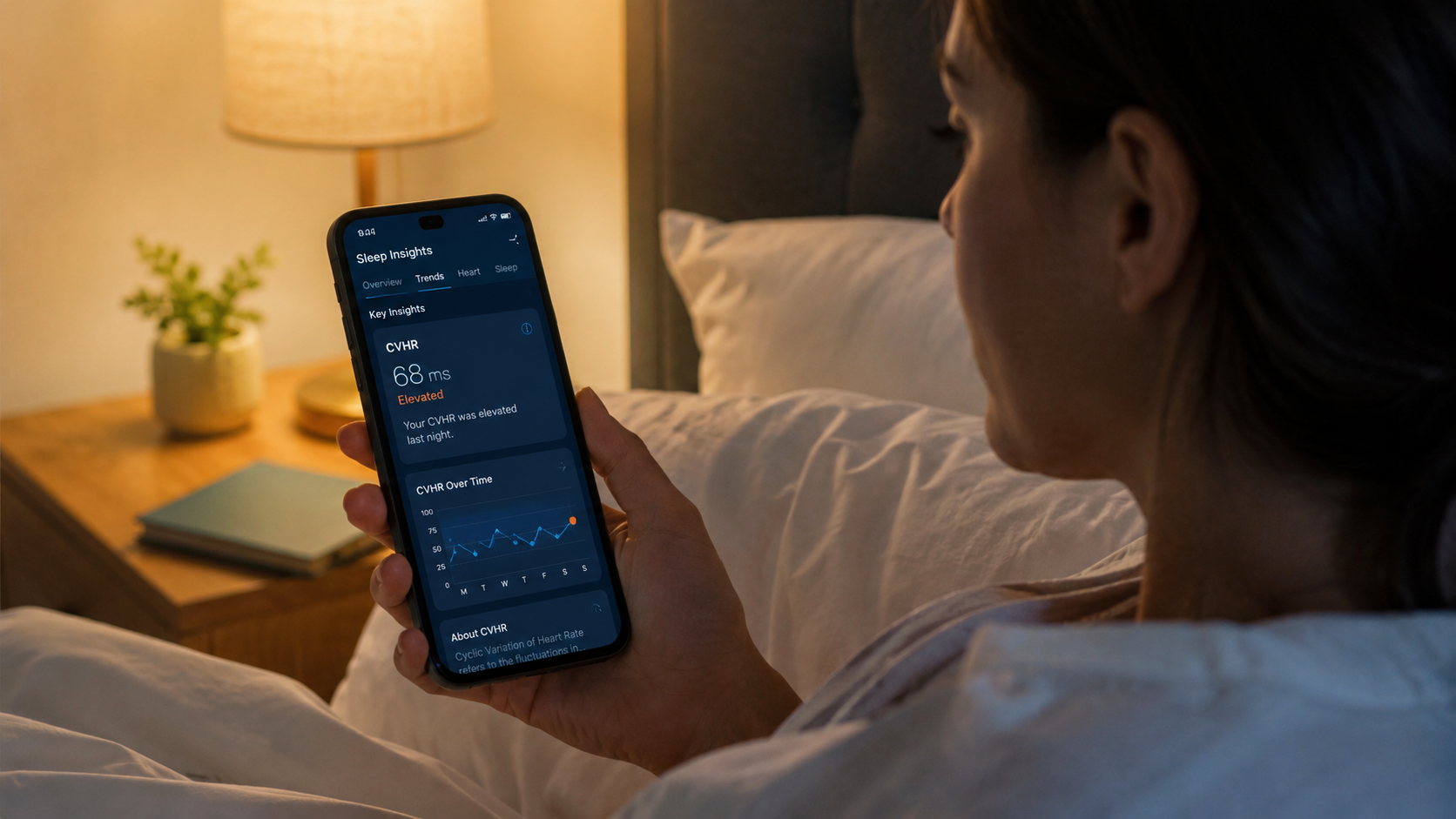
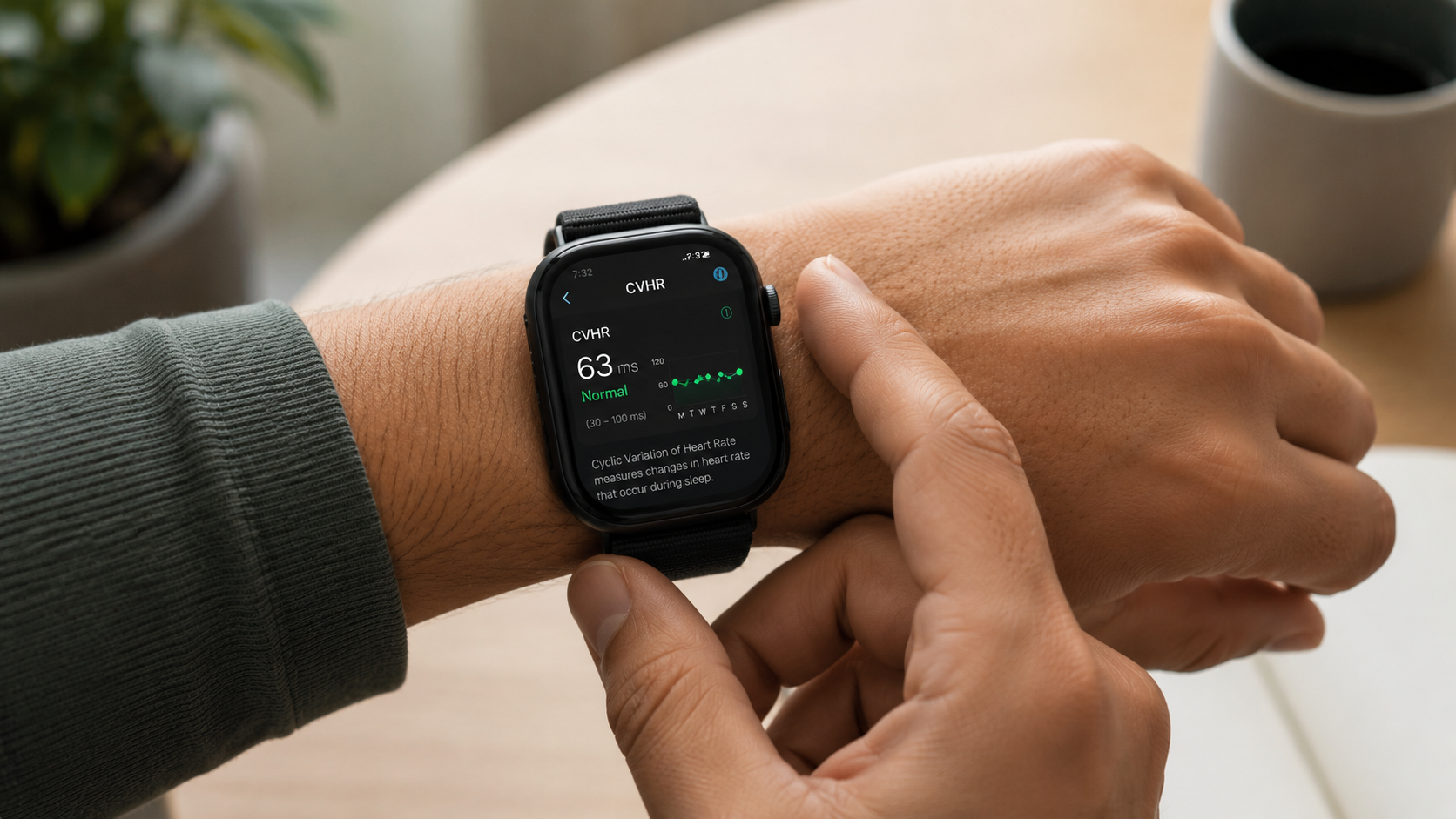
Up until recently, CVHR was primarily studied using ECG during sleep studies. While this approach is still one of the most accurate measures of CVHR, it limited analysis to specialized sleep laboratories and research settings. However, recent advances in wearable technology have made it possible to monitor the physiological signals underlying CVHR from the comfort of a person’s home.[6,7] Many modern smartwatches, rings, and wearable sensors contain photoplethysmography (PPG) sensors that continuously measure pulse wave signals. Researchers have demonstrated that the characteristic cyclic heart rate patterns associated with sleep apnea can be detected from these PPG-derived pulse intervals, opening the door to large-scale, non-invasive monitoring.[6,8] In one study, CVHR detected from a wearable watch showed a strong relationship with apnea severity measured by a traditional polysomnography, suggesting that consumer-grade wearables may be capable of identifying individuals at risk for obstructive sleep apnea.[6]
The digitalization of CVHR monitoring has several potential benefits. First, wearable devices can collect data across multiple nights rather than relying on a single night of testing. While this is not the current standard of care, this methodology is particularly useful because sleep apnea severity often fluctuates from night-to-night. CVHR measurements obtained over long periods may provide a more representative picture of an individual’s sleep health.[8] Additionally, multi-night monitoring may help clinicians identify patients whose symptoms are intermittent and could be missed during a one-night sleep study. Another key advantage is accessibility. Millions of people already wear devices capable of measuring pulse rate continuously. By incorporating automated CVHR detection algorithms into wearable platforms, sleep apnea screening could become more accessible and less expensive than traditional laboratory testing.[5,6] This may help address the significant number of individuals with undiagnosed sleep apnea who never undergo formal evaluation.[5]
Aside from screening, CVHR may also have value in tracking treatment effectiveness. Because CVHR reflects the cardiovascular response to repeated breathing disturbances, changes in CVHR frequency over time could potentially help assess whether interventions such as CPAP therapy, oral appliance therapy, weight loss, or lifestyle modifications are reducing sleep-disordered breathing events.[7,8] Emerging wearable-based systems are now investigating whether CVHR can be monitored continuously over weeks or months to provide longitudinal insight into disease progression and treatment response.[7]
Conclusion
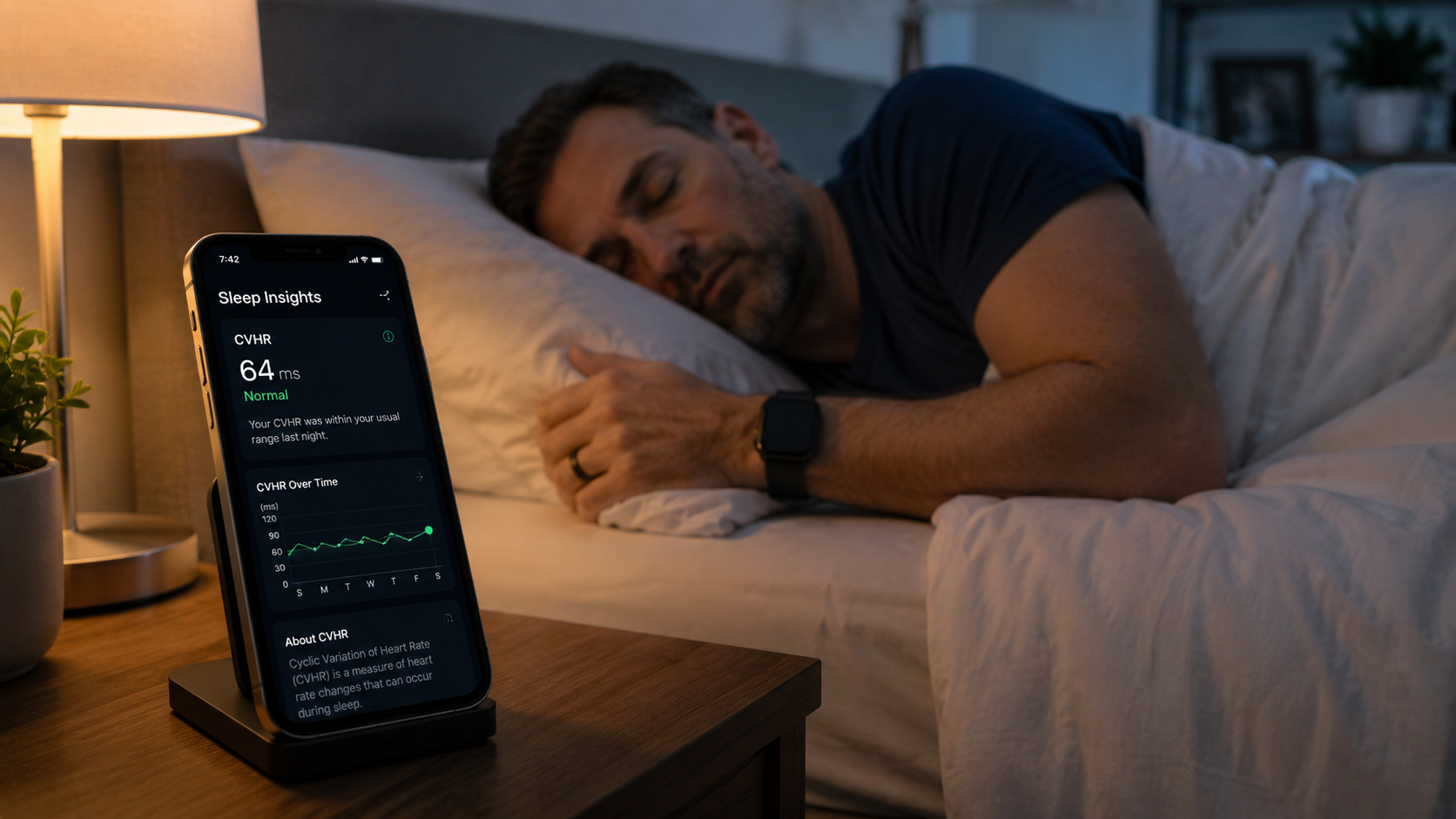
The current tools we have to advance the use cases of CVHR are growing, and with the emergence of artificial intelligence, we will likely see further enhancements in the utility of CVHR. By combining CVHR with other wearable-derived metrics, such as oxygen saturation, respiratory rate, movement patterns, and heart rate variability, future digital health platforms may provide increasingly sophisticated assessments of sleep quality and sleep apnea risk. As wearable sensors continue to improve, CVHR may become an important component of personalized sleep health monitoring, helping to bridge the gap between laboratory diagnostics and everyday health tracking.
If you are worried that your sleep may not be where it is supposed to be, and that your heart health may be impacted, we encourage you to see a medical professional who can help you get your sleep back on track. The team here at Empower Sleep is always ready to help!


.png)
.png)